What Happens If You Use the Wrong Ammunition?
Using the wrong ammunition in a firearm isn't just a minor inconvenience; it can lead to dangerous malfunctions and potentially catastrophic equipment failure. Firearms and their ammunition are designed to work together with extreme precision, and deviating from these specifications can have serious consequences for both safety and the firearm itself. Understanding these risks is crucial for any firearm owner.
Manufacturer specifications consistently highlight the importance of using the correct caliber and type of ammunition. For instance, SAAMI (Sporting Arms and Ammunition Manufacturers' Institute) standards define precise dimensions and pressure limits for various ammunition types to ensure safe operation. Failing to adhere to these can have immediate and severe repercussions.
Quick Answer
Using the wrong ammunition can cause your firearm to explode, leading to severe injury. It can also result in jams, damage to critical components, and reduced accuracy. Always match ammunition to your firearm's exact specifications to ensure safety and proper function.
The Immediate Dangers: When Ammo Doesn't Match Your Firearm
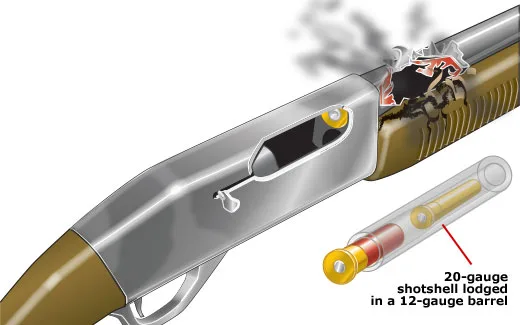
The most immediate and severe risk of using the wrong ammunition is a catastrophic firearm failure. Imagine this: you try to load a round that's too large for your firearm's chamber. The act of trying to fire it can create immense pressure that your gun simply isn't built to handle.
This can cause the firearm to rupture, sending metal fragments flying in every direction. We're talking about shrapnel that can cause devastating injuries to the shooter and anyone nearby.
It's not just about size; the pressure generated by different ammunition loads also plays a critical role. For example, trying to use a high-pressure load designed for a heavier-duty firearm in a lighter one can cause similar explosive failures. Manufacturer specifications, often detailed on the firearm itself or in its manual, clearly indicate the maximum safe operating pressures.
Exceeding these, as can happen with improperly matched ammunition, is exceptionally dangerous.
What if the Wrong Ammo Fits but is Different?
Even if a round seems to chamber and fit without immediate resistance, problems can still arise. Different ammunition types within the same caliber, such as variations in bullet weight or velocity, can affect how the firearm cycles. This can lead to:
- Failure to Eject: The spent casing doesn't clear the chamber properly, preventing the next round from feeding.
- Failure to Extract: The empty casing remains stuck in the chamber after firing.
- Stovepiping: An empty casing gets caught sideways in the action.
These malfunctions can render your firearm useless in a critical moment and may require specialized tools to clear, sometimes causing further damage in the process.
Firearm Damage: Beyond Just a Malfunction
Beyond the immediate risk of an explosion or dangerous jam, using the wrong ammunition can inflict significant damage on your firearm's components. This damage can be expensive to repair and can permanently affect the firearm's reliability and safety. The precise engineering of a firearm means that even slight incompatibilities can cause wear and tear that compounds over time.
- Barrel Damage: Using ammunition with a caliber slightly larger than specified, or rounds that generate excessive pressure, can warp, crack, or even burst the barrel. This is often a fatal flaw for the firearm.
- Chamber Damage: The chamber, where the cartridge sits before firing, is designed for specific dimensions and pressure tolerances. Incorrect ammunition can distort or weaken the chamber walls.
- Action Wear: The moving parts of the firearm's action (the bolt, receiver, extractor, ejector) are subjected to immense forces during cycling. Using ammunition that creates irregular pressures or doesn't extract cleanly can bend or break these critical parts.
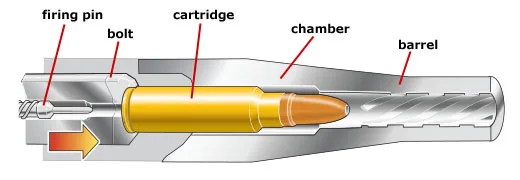
How Different Ammunition Types Cause Damage
Even when the caliber matches, using the wrong type of ammunition can lead to problems. For example, using bullets designed for hunting large game in a firearm meant for self-defense might result in the bullet passing through a target and continuing on its path with dangerous energy. Ammunition with significantly higher velocity or heavier bullet weights than the firearm is designed for will produce substantially more recoil.
This increased recoil doesn't just make shooting uncomfortable; it puts undue stress on the firearm's frame, slide, and internal mechanisms, accelerating wear and tear. It can also impact your ability to maintain control and fire subsequent shots accurately.
Accuracy and Performance Suffers
Even if you're lucky enough to avoid a catastrophic failure or major damage, using ammunition that isn't optimized for your firearm will almost certainly impact its accuracy and overall performance. Firearms are typically designed and tested with specific ammunition characteristics in mind to achieve the best possible accuracy. Deviating from these can lead to unpredictable results downrange.
When you chamber ammunition that has a different bullet weight, shape, or velocity than what the barrel is rifled for, or what the sights are zeroed to, several things can go wrong. Your shots will spread out more than usual, meaning your hits won't be as tight or consistent. This is because the bullet might not stabilize correctly in the rifling, or it may exit the barrel at a slightly different point in the recoil cycle.
Bullet Stability and Barrel Twist
The rifling inside a firearm's barrel is designed with a specific twist rate to impart spin on the bullet, stabilizing it in flight. This twist rate is optimized for certain bullet weights and lengths. If you use a bullet that is too light for the barrel's twist rate, it might not stabilize properly, leading to keyholing (the bullet entering the target sideways) and drastically reduced accuracy.
Using ammunition that is not specifically recommended or tested for your firearm means you're gambling with its accuracy and reliable function.
Safety First: Why Caliber and Type Are Non-Negotiable
When it comes to firearms, safety isn't just a suggestion; it's an absolute requirement, and using the correct ammunition is a cornerstone of that safety protocol. The exact caliber designation on your firearm is not just a label; it's a critical specification that dictates the precise dimensions and pressure tolerances the weapon is engineered to handle. For instance, a handgun might be marked "9mm Luger," or a rifle might clearly state ".308 Winchester."
Manufacturer documentation consistently warns against using ammunition that doesn't precisely match the caliber stamped on the firearm. Attempting to load or fire ammunition of the wrong caliber is one of the most direct routes to immediate and severe firearm malfunction, with the potential for explosion and serious injury. This isn't a matter of opinion; it's a matter of engineering and physics.
Resources like the SAAMI Z299.1 standard provide detailed specifications for ammunition dimensions and pressure, underscoring the importance of precise matching.
Critical Checks Before Loading
Before you ever load a magazine or chamber a round, always perform these checks:
- Verify Firearm Caliber: Locate the caliber marking on your firearm. This is usually stamped on the barrel or the receiver. Ensure you know it precisely.
- Verify Ammunition Caliber: Check the caliber marking on the ammunition box. This is always clearly displayed on the packaging.
- Visual Inspection: Even if the caliber matches, briefly inspect the cartridges for any obvious signs of damage, corrosion, or unusual appearance.
If you have any doubt whatsoever about whether the ammunition is correct for your firearm, do not use it. It is always better to be safe and find the correct ammunition than to risk a dangerous malfunction.
Expert Tips for Choosing the Right Ammunition
Navigating the world of ammunition can seem overwhelming, but sticking to a few core principles ensures you're always making the safest and most effective choice for your firearm. As you gain experience, you’ll develop a feel for what works best, but starting with solid guidelines is key. Think of this as building a solid foundation for responsible firearm ownership.
Here are some tips based on manufacturer recommendations and expert advice:
Consult Your Firearm's Manual: This is your primary source of truth. Your firearm's manual will explicitly state the approved calibers and, often, recommended ammunition types or performance characteristics. Always refer to this documentation first.
Stick to Manufacturer-Recommended Calibers: If your firearm is marked ".308 Winchester," use .308 Winchester ammunition. Do not attempt to chamber or fire rounds from other calibers, even if they appear similar.
Understand Pressure Ratings: Different ammunition loads have varying pressure levels (measured in PSI). Your firearm is designed for a specific pressure range. Always adhere to the firearm manufacturer's stated pressure limits.
Consider Ammunition Purpose: Ammunition is designed for specific uses.
- Target/Practice Ammunition: Generally uses less expensive components, standardized bullets (like full metal jackets or FMJs), and moderate velocities for plinking and training.
- Hunting Ammunition: Designed for terminal ballistics, using expanding bullets to maximize energy transfer and humane takedown of game.
- Self-Defense Ammunition: Focuses on controlled expansion and penetration to neutralize a threat effectively while minimizing over-penetration risk.
Using hunting rounds for target practice or defensive rounds for casual plinking might be unnecessarily expensive or not perform as intended.
- Inspect Both Firearm and Ammo: Before every use, give your firearm a quick visual check. Likewise, look at your ammunition. Ensure cartridges are clean, free of corrosion, and haven't been physically damaged. Damaged ammunition can lead to malfunctions or safety hazards.
- When in Doubt, Ask a Professional: If you're unsure about what ammunition to use, consult a certified firearms instructor or a reputable gunsmith. They can provide expert guidance tailored to your specific firearm.
Frequently Asked Questions
Can I fire .223 Remington ammo in a 5.56 NATO rifle?
Generally, yes, most rifles chambered for 5.56x45mm NATO can safely fire .223 Remington ammunition. However, the reverse is not always true; firing 5.56mm NATO in a rifle specifically chambered only for .223 Remington may exceed pressure limits. Always check your firearm's manual for official compatibility.
What happens if I use .308 Winchester ammo in a .30-06 Springfield rifle?
You cannot. These calibers are physically different in dimensions and pressure ratings. Attempting to chamber or fire .308 Winchester in a .30-06 Springfield rifle will likely result in a dangerous failure to chamber or, if somehow forced, a catastrophic firearm failure due to pressure and dimensional mismatch.
Is it safe to use old ammunition?
Using very old ammunition can be risky. Over time, primers can degrade, and powder can become unstable, leading to unpredictable ignition or failure to fire. Additionally, corrosion can weaken cartridge cases.
It’s best to use ammunition that is within its expected shelf life and stored properly.
What if I accidentally chamber the wrong caliber?
If you realize you've chambered the wrong caliber, do not attempt to fire the weapon. Carefully unload the firearm and remove the incorrect round. Inspect the chamber and firearm for any signs of damage before attempting to use the correct ammunition.