How Can You Identify Old Ammunition?
When you're looking at old ammunition, whether it's a dusty relic from a flea market or something you found in an attic, knowing what you've got is key. Figuring out how to identify old ammunition isn't just about curiosity; it’s crucial for safety and historical understanding. These old rounds can hold stories, but they also carry potential risks if mishandled.
This guide will walk you through the visual cues and markings that tell you the age, origin, and even potential condition of antique cartridges. We'll focus on what you can see and how to interpret it, drawing from historical firearms data and manufacturer specifications. Let's dive into how to tell that old cartridge apart.
Quick Answer
Identifying old ammunition involves inspecting headstamp markings, bullet and case materials, and overall condition. Look for caliber, manufacturer codes, and potential date stamps on the headstamp. Signs of corrosion or degraded propellant indicate instability.
Reference guides are essential for deciphering obscure markings and understanding safety protocols.
Why Visuals Are Your Best Friend for Old Ammunition
When it comes to old ammunition, what you see is what you get, and what you absolutely need to pay attention to. Unlike modern cartridges, which often have standardized, clear markings, older rounds can be a bit of a puzzle. Their identification relies heavily on a keen eye for detail and an understanding of what those visual cues actually mean.
Manufacturer specifications from the early 20th century, for example, often featured intricate headstamp designs that a casual glance might miss.
Think of it like looking at an old photograph versus a new digital one. The old photo might have grain, faded colors, and unique textures that tell you about its age and the conditions it’s been through. Old ammo is similar; its patina, wear, and specific markings are its story.
Visuals are paramount because they're the primary, and often only, way to distinguish between a common relic and something historically significant, or more importantly, a potentially hazardous item.
Deciphering the Headstamp: Your First Clue
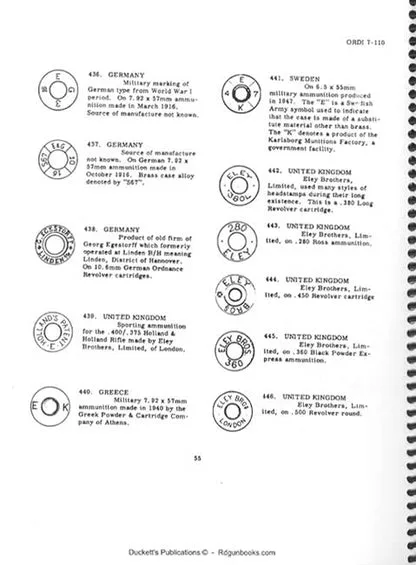
The headstamp is the undisputed king when you're trying to figure out what old ammunition you're holding. It’s the stamped or embossed lettering and symbols found on the base of the cartridge case. This is where manufacturers packed the most critical identifying information, especially for rounds made from the late 19th century onwards.
Manufacturer codes, caliber designations, and sometimes even the production year or batch number were imprinted here.
What to look for specifically?
- Manufacturer Logos/Names: Many early companies used unique symbols or abbreviations. For instance, "W.R.A. Co." clearly points to the Winchester Repeating Arms Company.
- Caliber Markings: These are crucial. They might be numbers (like .30-06 or .45 Colt), or abbreviations specific to the era. You might see designations like "8x50mmR Lebel" for French ammunition or "7.62x54R" for Russian.
- Date Codes: Not all old ammo has dates, but some do. These can be direct years (e.g., "38" for 1938) or coded systems that require a reference guide to crack. Early ammunition wasn’t always dated as consistently as we see in modern manufacturing.
- Location Codes: Some military ammunition, particularly from allied forces during major conflicts, might indicate the country of origin or even the specific arsenal.
Aggregates of user feedback suggest that even faint headstamps can often be deciphered with careful lighting and magnification. Don't forget that different countries and eras had their own conventions for what information appeared on the headstamp and how it was presented.
Beyond the Headstamp: Bullet, Case, and Primer Clues
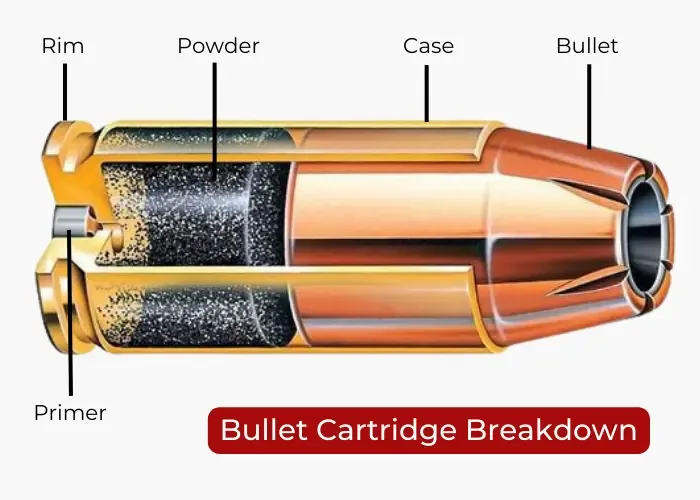
While the headstamp is your primary starting point, it’s not the only visual cue on an old cartridge. The bullet itself, the casing material, and the primer can offer significant hints about its age and origin. These elements, when examined together with the headstamp, build a more complete picture.
Manufacturer specifications in the early 20th century detailed variations in metallurgy and bullet design based on intended use and available technology.
Consider these additional identifiers:
- Bullet Composition and Design:
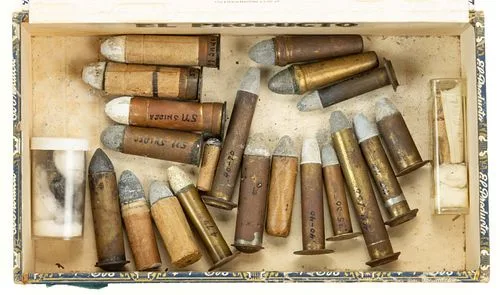
- Material: Older bullets were often pure lead or lead alloys. As time progressed, copper jackets became common. A full metal jacket (FMJ) where the lead core is fully encased in copper is a sign of later production, often post-WWI for many military rounds.
- Shape: Bullet profiles changed over time. Round-nose bullets were standard for a long time before pointed (spitzer) designs became more prevalent for better aerodynamics, especially in military cartridges.
- Case Material:
- Brass: This is the most common material for metallic cartridges and has been used for a very long time. The shade and thickness of brass can sometimes suggest an era, though this is highly variable.
- Steel: Steel cases became more common in military ammunition during the mid-20th century, particularly in Eastern Bloc countries.
- Aluminum: Less common for older cartridges, but occasionally found in specialized or very early experimental rounds.
- Primer Type:
- Berdan Primer: These have two small flash holes in the primer pocket. They were common in older European military ammunition and are harder to reload.
- Boxer Primer: These have a single, larger flash hole and an anvil inside the case. This type became dominant in American ammunition.
These features, combined with the headstamp, help narrow down the possibilities. For example, a steel-cased, pointed bullet with a Russian headstamp likely dates from the Soviet era, whereas a brass-cased, round-nose bullet with a US headstamp might be from the early 1900s.
Assessing Condition: Signs of Age and Danger
The physical condition of an old cartridge tells a critical story, especially concerning its safety. Time and environment can degrade ammunition significantly, making it unstable or completely inert. For collectors and anyone handling old ammo, understanding these signs is non-negotiable, as deteriorated propellant can pose a serious hazard.
Manufacturer data on propellant stability over decades highlights the importance of visual inspection.
Here's what to look for:
- Corrosion and Patina:
- Light Pitting: Minor surface rust or discoloration on brass or steel cases is common and usually doesn't affect function, though it might obscure markings.
- Heavy Corrosion: Deep pitting, holes in the case, or cases that feel brittle are red flags. This suggests the metal is compromised and the seal may be broken.
- Green Patina (Brass): This is a form of oxidation on brass, often indicating prolonged exposure to moisture or certain soil types. It's usually cosmetic but can indicate a compromised seal if extensive.
- Propellant Degradation:
- Bulging Case: A swollen or bulged case, especially near the head or neck, can indicate internal pressure changes due to chemical breakdown of the powder.
- Deteriorated Powder: If you can see inside the case (e.g., through a cracked case or if the bullet is loose), look at the powder. Old smokeless powder can break down into a sticky, gummy substance, or in extreme cases, a fine, powdery dust. Black powder will degrade into a crumbly, dusty mass.
- Internal "Sticking": Sometimes the powder will adhere to the inside walls of the case in a hardened or sticky form.
- Sealants: Many older cartridges, especially military ones, had sealants (like lacquer or wax) around the bullet and primer to protect against moisture. The condition of this sealant can be telling. Cracked, flaking, or missing sealant suggests moisture intrusion.
Per SAAMI (Sporting Arms and Ammunition Manufacturers' Institute) guidelines for modern ammunition, consistent material integrity and stable propellants are key. While SAAMI doesn't cover antique ammunition directly, the principles of material integrity and propellant stability remain paramount for safety. Any ammunition exhibiting significant signs of degradation should be handled with extreme caution.
When to Worry: Red Flags for Old Ammunition
Identifying old ammunition isn't just an academic exercise; it's about recognizing potential dangers. While many old rounds are inert or safely collectible, some can be unstable and pose a real risk if mishandled or stored improperly. Recognizing these red flags is crucial for your safety and the safety of others.
Manufacturer data on the shelf life of propellants consistently shows a decline in stability over extended periods, especially under adverse storage conditions.
Here are the critical warning signs that should make you pause and handle with extreme caution:
- Loose or Rusted Primer: If the primer looks like it's falling out, or if it's heavily corroded and appears to have lost its seal, it's a significant concern. Primers can become sensitive over time.
- Bulging or Swollen Case: As mentioned, this often indicates internal pressure changes from degrading propellant. It means the structural integrity of the case might be compromised, and the round could be unstable.
- Obscured or Missing Headstamp Markings: While it makes identification harder, the real worry here is if the headstamp is obscured by extreme corrosion or damage. This damage might indicate the case is weakened.
- Visible Cracks or Holes: Any physical breach in the cartridge case, whether from corrosion, damage, or manufacturing defect, means the internal components are exposed and the case's integrity is compromised.
- Signs of Leaking Propellant: If you see any residue, dust, or sticky material that appears to be escaping the case, it's a clear sign of severe degradation.
- Deteriorated Case Neck: The neck of the case, where the bullet is seated, can also show signs of weakness or cracking.
If you encounter ammunition exhibiting any of these issues, the safest course of action is to avoid touching it directly if possible. If you must handle it, do so with thick gloves and extreme care. Never attempt to fire such ammunition.
Instead, contact your local law enforcement or a qualified hazardous materials disposal expert. For reference, the U.S. Department of Transportation classifies certain types of deteriorated ammunition as hazardous materials, requiring specific handling protocols.
Using Reference Materials: Books, Guides, and Online Resources
Once you’ve got a handle on the basic visual cues, the next step in identifying old ammunition is to consult reliable resources. No one can identify every single old cartridge off the top of their head; even experienced collectors and historians rely on a wealth of published information. These guides often contain detailed charts, historical context, and even photographs that are invaluable for cross-referencing your findings.
Manufacturer archives and historical firearm publications confirm the necessity of these resources.
Here’s how to leverage them effectively:
- Ammunition Identification Books: These are often the gold standard. Look for comprehensive guides that cover different calibers, manufacturers, and historical periods. They usually feature clear photographs or illustrations of headstamps and cartridge variations. Authors like George Madis or Frank C. Barnes (whose "Cartridges of the World" is a well-respected, though broad, reference) have produced seminal works.
- Online Databases and Forums: Many websites and online forums are dedicated to firearms and ammunition collecting. These can be excellent places to find information, ask questions, and even get help identifying specific rounds from experienced users. However, always cross-reference information found on forums with more established sources, as accuracy can vary.
- Manufacturer Historical Websites: Some older ammunition manufacturers, or companies that acquired them, maintain historical sections on their websites. These might offer insights into past product lines and marking conventions.
- Museum Archives: For truly rare or historically significant ammunition, museum collections and their associated research materials can be a source of information, though access might be limited.
When using these resources, be prepared to compare multiple features. A headstamp might be partially obscured, or a particular bullet design might have been used across several calibers. Using a combination of headstamp, bullet type, case material, and overall dimensions, along with a good reference, will lead you to the most accurate identification.
As of 2026, printed reference books remain the most consistently reliable source for detailed historical ammunition identification, though digital resources are rapidly expanding.
Safety First: Handling and Disposal of Old Ammunition
This is where we absolutely must be careful. Handling old ammunition isn't like handling old coins; it can carry real risks. The propellant inside, even if it looks stable, can degrade over decades.
This degradation can lead to increased sensitivity, making the round more prone to accidental ignition or detonation, especially if it’s been stored improperly or is physically damaged. The U.S. Department of Transportation classifies certain types of deteriorated ammunition as hazardous materials, necessitating strict handling and disposal guidelines.
Here's what you need to know:
- Assume Instability: Always treat old ammunition as potentially unstable, especially if you can't positively identify its age or condition with certainty. Never assume it's inert just because it's old.
- Avoid Shock and Friction: Do not drop, jolt, or try to disassemble old cartridges. Any significant shock or friction can potentially set off unstable primers or propellants.
- Gloves and Eye Protection: When you absolutely must handle suspect ammunition, wear thick work gloves and safety glasses. This provides a basic layer of protection against accidental discharge or fragmentation.
- Proper Storage (If Keeping): If you've positively identified an old round as safe and collectible, store it in a cool, dry, well-ventilated area, away from heat sources and incompatible materials. Many collectors use dedicated ammo cans or display cases designed for inert rounds. However, for most old, unidentified rounds, keeping them is not recommended.
- Disposal is Key: If you find old ammunition that is deteriorated, unidentified, or you simply don’t want to keep it, do not throw it in the trash or pour it down the drain. Contact your local police department or fire department. Many have specific procedures or designated drop-off points for unwanted ammunition. They can ensure it's disposed of safely and legally. Some areas also have specialized hazardous waste disposal services that handle ammunition.
What If It's Corroded? Can You Still Identify It?
Yes, you can often still identify corroded ammunition, but it requires more effort and careful observation. Heavy corrosion can obscure vital markings, making the process challenging, but not always impossible. The key is to use magnification and good lighting to try and bring out the faint details that remain.
Manufacturer specifications from the early 20th century often included very fine engraving, which can sometimes be read even through a layer of grime or light rust.
Here’s how to approach corroded rounds:
- Gentle Cleaning: Avoid harsh chemicals or abrasive materials that could damage the casing further or remove remaining markings. Sometimes, a soft brush and a very mild cleaner designed for metal (like a brass cleaner, used sparingly) can help lift surface dirt. Water should be used with extreme caution due to the risk of further corrosion. For particularly stubborn dirt, a wooden or plastic toothpick can sometimes gently dislodge debris from stampings.
- Magnification is Your Friend: A magnifying glass or a jeweler's loupe (10x magnification is usually sufficient) is essential. Look at the headstamp and any other markings under magnification. You might be surprised what details emerge.
- Lighting: Experiment with different light angles. Sometimes, raking light (light coming in from a low angle) can highlight the raised or indented letters of a headstamp that might otherwise be invisible.
- Compare Multiple Features: If the headstamp is too corroded to read clearly, focus on other features like bullet shape, case material, and overall dimensions. Compare these with known types of ammunition from different eras. Sometimes, even a partially legible headstamp, combined with other visual clues, is enough for a tentative identification.
Remember, even if you can't get a positive identification, the level of corrosion itself is a sign of age and potential instability. Always prioritize safety over definitive identification if the corrosion is severe.
Are All Old Ammunition Types Collectible?
Not all old ammunition is automatically considered collectible. Collectibility usually depends on several factors, including rarity, historical significance, condition, and completeness. While any old cartridge might be interesting to someone, true collectibles are often those that are rare, represent a specific historical event (like WWI or WWII), or are in pristine condition.
Manufacturer production records indicate that some calibers were produced in far greater quantities than others, impacting their rarity today.
Consider these points:
- Rarity: Obscure calibers, prototypes, or ammunition from short-lived manufacturers are often more sought after than common calibers produced in vast numbers. For example, a common .30-06 round from the 1950s is less likely to be a high-value collectible than a rare experimental round from the same period.
- Historical Significance: Ammunition associated with significant historical events, like major conflicts, famous battles, or specific military units, can be highly collectible.
- Condition: As discussed, ammunition in excellent condition with clear markings and no significant corrosion or damage is always more desirable for collectors. Rounds with intact original packaging (boxes, cartons) are also highly valued.
- Completeness and Inertness: For display purposes, fully intact, inert rounds are preferred. Severely deteriorated or damaged ammunition is generally not considered collectible, but rather a safety hazard.
- Legality: Collectible ammunition must also comply with all local, state, and federal laws regarding possession and transport.
The market for collectible ammunition can be niche. While some collectors focus on pristine, rare items, others may collect examples of common ammunition simply to document the history of firearms and cartridges. The value of collectible ammunition can vary widely, from a few dollars for common rounds to hundreds or even thousands of dollars for exceptionally rare items.
What Are the Most Common Types of Old Ammunition Found?
When people discover old ammunition, they often find common calibers that were widely produced and used historically. These are usually military surplus rounds or popular civilian calibers from the late 19th and early to mid-20th centuries. The widespread adoption of certain cartridges by major militaries meant massive production runs, leading to their prevalence today.
For instance, the .30-06 Springfield, widely used by the U.S. military, is frequently encountered.
Here are some of the more common types you might come across:
- U.S. Military Ammunition:
- .30-06 Springfield (various manufacturers like WCC, RA, LC)
- .45 ACP (various manufacturers like WCC, RA, FC)
- .30 Carbine
- 8mm Mauser (though often German, it was used by US forces in some contexts)
- European Military Ammunition:
- 7.92x57mm Mauser (German, used extensively in WWI and WWII)
- 7.62x54R (Russian/Soviet, used from the late 19th century through much of the 20th)
- 8x50mmR Lebel (French, WWI era)
- Various calibers associated with British military use, such as .303 British.
- Common Civilian Calibers:
- .30-30 Winchester
- .22 Long Rifle (though older versions might have specific antique markings)
- .32 ACP.25 ACP (common for early semi-automatic pistols)
These rounds are often identifiable by their headstamps, which would typically include manufacturer codes, caliber designations, and sometimes dates or arsenal markings. For example, a headstamp reading "LC 52" would indicate Lake City Army Ammunition Plant production in 1952 for the .30 caliber. If you find ammunition that looks like one of these common types, it’s a good starting point for further research using the reference materials we discussed.
What Are the Risks of Firing Old, Unidentified Ammunition?
Firing old, unidentified ammunition carries significant risks, both to the firearm and to the shooter. The primary danger comes from the potential instability of the propellant and primer, as well as degradation of the cartridge case itself. Manufacturer data on propellant degradation indicates that it can become highly unpredictable over time, especially when exposed to fluctuating temperatures, moisture, or humidity.
Even if the round fires, a compromised case can lead to a dangerous pressure release.
Here are the specific risks:
- Catastrophic Firearm Failure: A degraded cartridge case might rupture or explode upon firing. This can send hot gas, metal fragments, and debris back towards the shooter, causing severe injury or death. This is particularly a risk with corroded or bulged cases.
- Primer Misfire or Hangfire: Old primers can become inert, leading to a misfire where nothing happens when the firing pin strikes. Worse, a "hangfire" can occur, where there's a delay of seconds or even minutes between the strike and ignition. This can cause the shooter to flinch or move, leading to a loss of control when the round eventually fires.
- Squib Load: The propellant might degrade to the point where it doesn't generate enough pressure to push the bullet completely out of the barrel. This is known as a squib load. If a subsequent shot is fired into a bullet lodged in the barrel, it will cause a dangerous pressure spike and likely destroy the firearm.
- Reduced Accuracy and Reliability: Even if the round doesn't cause immediate failure, degraded propellant burns erratically, leading to unpredictable chamber pressures, poor accuracy, and inconsistent velocity. This significantly compromises the firearm's intended performance.
In summary, the risks associated with firing old, unidentified, or deteriorated ammunition far outweigh any perceived benefit. It is always safest to assume such ammunition is unsafe to fire and to seek professional guidance for its disposal. For comparison, modern ammunition, manufactured to standards like those set by SAAMI, undergoes rigorous testing to ensure propellant stability and case integrity for many years under proper storage.