Should Ammunition Be Stored in an Airtight Container?
When you're thinking about storing ammunition, ensuring it remains reliable for years to come is key. Getting storage right can mean the difference between dependable performance and frustrating failures. While often recommended, the absolute need for airtight storage depends heavily on your environment and how long you plan to keep the ammunition.
Fortunately, understanding a few key factors can help you make the best decision for your situation.
Quick Answer
Storing ammunition in an airtight container is generally recommended for long-term preservation. It protects against damaging moisture, which can degrade gunpowder and primers. However, its necessity depends on your climate and the inclusion of desiccants.
When Should Ammunition Be Stored Airtight?
Understanding Ammunition Storage Risks
When we talk about ammunition storage, the biggest enemy isn't heat or cold on its own, but rather the sneaky impact of moisture. Over time, even small amounts of humidity can start to compromise the integrity of your rounds. This is especially true for the gunpowder and the primers, which are sensitive chemical components.
If these elements degrade, your ammunition may not fire, or worse, it could malfunction, creating a safety hazard. Manufacturer specifications often highlight the importance of controlled environments for optimal shelf life, typically stating that cartridges can remain effective for decades when stored properly.
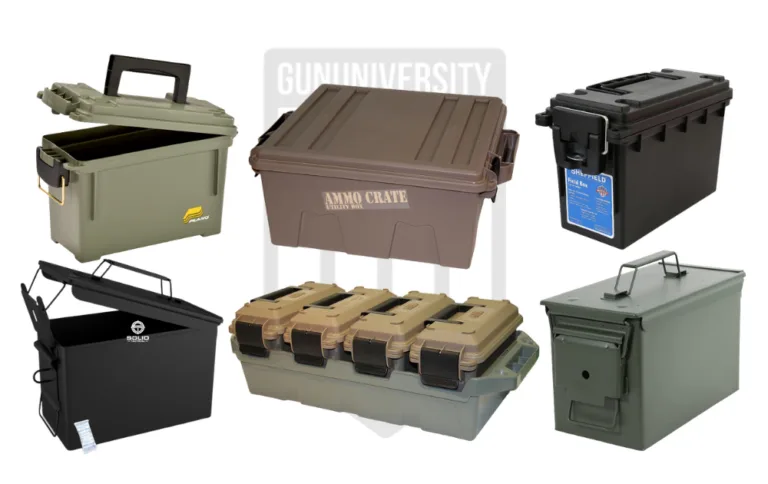
Image source: Bing (Web (fair-use with source credit))
Why Long-Term Storage Matters
For many people, ammunition isn't just for immediate use; it's an investment in preparedness and a part of their collection. Whether you're a hunter who needs reliable rounds for a specific season, a sport shooter stocking up, or someone focused on emergency preparedness, the ability to store ammunition for years, even decades, is crucial. The goal is to maintain its original performance characteristics, ensuring that a round fired today performs identically to a round fired five, ten, or even twenty years from now.
This longevity is only achievable through meticulous attention to storage conditions.
Key Factors for Airtight Storage Decisions
Climate: Your Biggest Influence
Your local climate is arguably the most significant factor in deciding whether to go for an airtight storage solution. If you live in an area with high humidity, where the air often feels damp or sticky, moisture is a constant threat. In these conditions, ammunition stored in containers that aren't perfectly sealed can absorb enough water vapor to cause problems.
Manufacturer data consistently shows that prolonged exposure to relative humidity above 60% can accelerate the degradation of propellant and primers. Conversely, if you're in a naturally arid region, the risk is lower, though not entirely eliminated. Understanding your typical environmental conditions is the first step in proper ammunition storage.
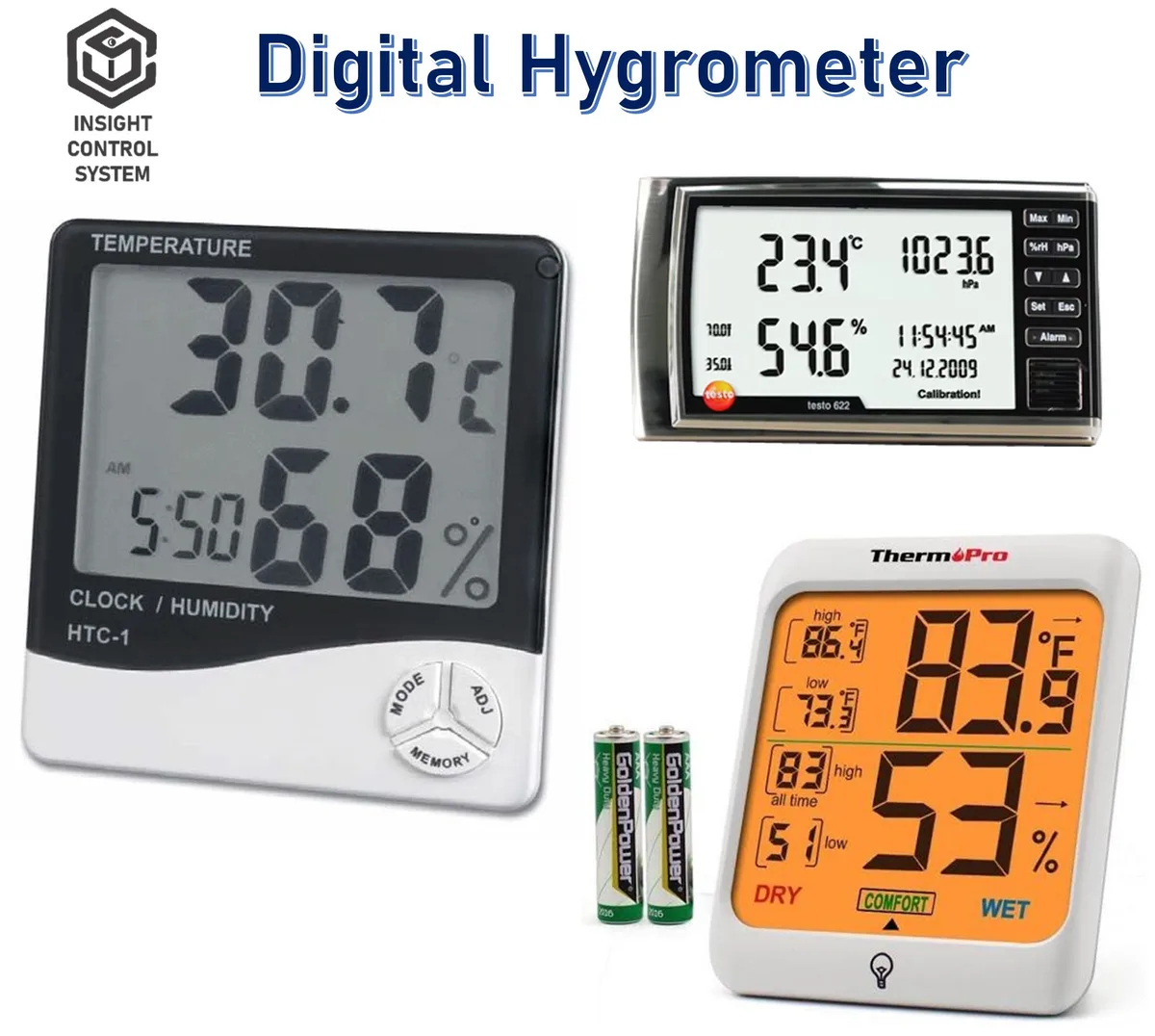
Image source: Bing (Web (fair-use with source credit))
Storage Duration: Months vs. Years
The timeframe you intend to store your ammunition also plays a critical role in your decision. For ammunition that will be used within a few months to a year, particularly if it's stored in a reasonably controlled indoor environment (like a climate-controlled home), a standard, well-sealed ammunition can might suffice. However, if your plan involves storing ammunition for five, ten, or twenty years, the stakes for preservation go up considerably.
Long-term storage demands a more robust defense against environmental factors. Over extended periods, even minor moisture ingress can lead to noticeable performance degradation, making airtight solutions with desiccants far more appealing for ensuring reliability down the line.
Container Type: What's Actually Sealing?
Not all containers labeled for ammunition are created equal when it comes to sealing. Many standard plastic or metal ammo cans offer good protection against dust and physical damage, but their gaskets might not create a truly airtight seal. Our research into common storage containers indicates that while many offer a reasonable barrier, achieving true airtightness often requires a more deliberate approach.
Look for robust rubber or silicone gaskets that are properly seated and show no signs of cracking or wear. Some specialized vacuum-seal bags can also be used, but their effectiveness depends entirely on the quality of the seal and preventing punctures. The key is to evaluate the sealing capability, not just the container's intended purpose.
The Role of Desiccants in Ammo Storage
Why You Need Them
Desiccants are the unsung heroes of long-term ammunition storage. They are materials, most commonly silica gel, that absorb and hold moisture. Even the most robust airtight container isn't perfectly impenetrable over years, and any residual moisture trapped inside when you seal it needs to be managed.
Without a desiccant, any humidity present will simply remain concentrated within the sealed environment, potentially leading to condensation. According to standards like ASTM E1853 for moisture vapor transmission rates, even excellent barriers allow some vapor transfer over time, making active moisture absorption essential.
How to Use Them Effectively
Using desiccants with airtight ammunition storage is straightforward but requires a bit of diligence. First, ensure your ammunition is as dry as possible before sealing. Then, place desiccant packs inside the container.
The amount needed depends on the volume of the container and the expected moisture load. For typical handgun or rifle cartridges stored in an ammo can, a few of the small, commercially available silica gel packets are usually sufficient. It's a good practice to periodically check and replace these desiccant packs, as they become saturated over time.
Many sources recommend checking them every 6-12 months, depending on the storage conditions.
Making the Airtight Decision: A Workflow
Scenario 1: High Humidity & Long-Term Goals
If you live in a region experiencing consistently high humidity (say, regularly above 60% relative humidity) and your goal is to store ammunition for five years or more, then opting for an airtight container is highly recommended. This scenario demands the highest level of protection. You'll want a container with a reliable gasket seal, such as a quality plastic or metal ammo can, and it's absolutely critical to include an adequate number of desiccant packs inside.
Regularly checking and replacing these desiccants is part of the long-term strategy to ensure no moisture compromises your rounds.
Scenario 2: Dry Climate & Short-Term Storage
For those in very dry climates (e.g., desert regions with consistently low humidity) and for ammunition that you expect to use within one to two years, the requirement for a perfectly airtight seal is less critical. A standard, well-maintained ammunition can with a good seal will likely provide sufficient protection. However, even in dry conditions, adding a desiccant pack is still a prudent step.
It acts as a safeguard against any minor fluctuations or unexpected moisture introduction. This approach balances protection with potentially less stringent requirements, offering a practical solution for immediate or near-term needs.
Scenario 3: Variable Conditions
If your storage environment experiences significant swings in humidity or temperature, or if you're unsure about the exact conditions, leaning towards airtight storage with desiccants is the safer bet. This is a defensive strategy for unpredictable environments. For example, if ammunition is stored in a basement that can get damp seasonally, or a garage with temperature extremes, an airtight container with active moisture control offers a buffer.
This workflow prioritizes preservation by creating a more stable micro-environment for the ammunition, regardless of external fluctuations, ensuring greater reliability as per general firearms maintenance advice.
Common Ammo Storage Mistakes to Avoid
Skipping the Desiccant
One of the most frequent and detrimental mistakes people make is sealing ammunition in an airtight container without any desiccant. The logic is often that the container itself will keep moisture out. However, any tiny amount of moisture present in the air or on the ammo when sealed has nowhere to go.
Over time, this trapped moisture can create a more humid environment inside the container than if it were stored in a loosely sealed container with some air circulation. Manufacturer guidelines and many firearm safety courses emphasize that desiccants are essential for actively managing humidity in sealed storage.
Over-Reliance on "Airtight" Labels
Not all containers marketed as "airtight" truly deliver on that promise, especially over extended periods. Gaskets can dry out, crack, or become compressed, especially if the container is stored in extreme temperatures or direct sunlight. Even a small compromise in the seal can negate the benefits of an otherwise airtight container.
It’s wise to perform a simple test, like sealing the empty container and listening for escaping air, or observing for condensation after a period. The U.S. Army's technical manuals for equipment storage, for instance, detail rigorous testing for seals rather than relying on simple labels for critical components.
Improper Sealing Techniques
How you prepare and seal the ammunition can also introduce problems. For example, handling cartridges with oily or moist hands before placing them in storage can introduce unwanted contaminants. Likewise, not ensuring the container’s gasket is clean and properly seated can prevent a true seal.
If using vacuum-seal bags, an incomplete seal or a puncture means the primary benefit is lost. Proper preparation involves clean hands, dry ammunition, and careful closure of the container to ensure the best possible barrier against external elements. This detail is often overlooked but is critical for effective, long-term preservation.
Expert Tips for Ammo Preservation
Inspecting Your Stored Ammo
Regular inspection is key to knowing if your storage methods are working. As of 2026, a good rule of thumb is to check your stored ammunition at least once a year, or more often if you suspect environmental issues. Look for any signs of corrosion on the casings, discoloration of the primers, or any unusual odors.
If you're using reusable desiccant packs, check their color indicator; if they’re saturated (often turning pink or clear), they need to be recharged or replaced. This proactive approach allows you to catch potential problems before they render your ammunition unusable.
Choosing the Right Container
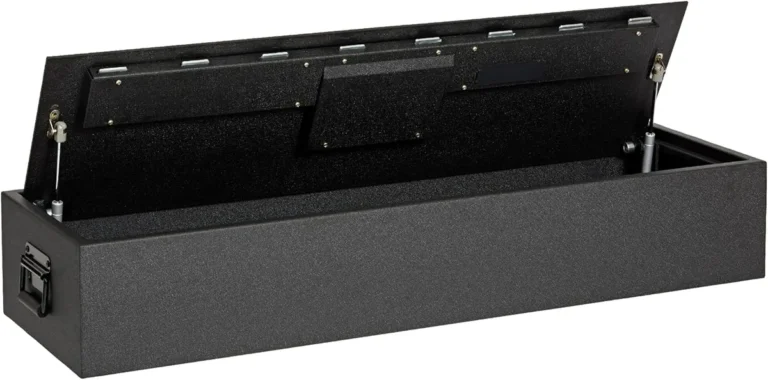
When selecting a container, prioritize durability and a reliable seal. For most home storage needs, high-quality plastic or metal ammo cans designed with robust, continuous rubber gaskets are excellent choices. These are designed to withstand moderate abuse and offer a good barrier against dust and moisture.
If you're going for extreme long-term storage or very high humidity, consider specialized vacuum-sealing systems for individual boxes of ammunition, which can then be placed inside a larger protective container. The goal is a seal that maintains its integrity over time and under varying conditions, providing a consistent barrier.
Beyond Airtight: Other Preservation Factors
While airtight storage with desiccants is a primary concern, other factors also contribute to ammunition longevity. Storing ammunition in a cool, dry place is fundamental. Avoid extreme temperature fluctuations, as these can cause condensation inside containers.
Keep ammunition away from direct sunlight, which can degrade components. For long-term storage, a stable, controlled environment, ideally between 50-70°F (10-21°C) with relative humidity below 50%, is ideal according to most firearms and ammunition industry recommendations. Think of it as creating a stable cave for your ammo, protected from the outside world.
FAQs About Ammunition Storage
Can I store ammunition in my garage?
Storing ammunition in a garage is generally not ideal if the garage experiences significant temperature fluctuations or high humidity. These conditions can lead to condensation and accelerate the degradation of your ammunition over time, even if it's in a sealed container. A climate-controlled environment is always preferable for long-term storage.
How often should I replace desiccant packs in ammo containers?
Desiccant packs should typically be replaced or recharged every 6 to 12 months, depending on the humidity levels in your storage area and how well-sealed your container is. Many desiccant packs have color indicators that change when they are saturated and need attention.
Is it safe to store ammunition in a plastic tote?
Standard plastic totes often do not provide an airtight seal, making them less ideal for long-term ammunition storage, especially in humid environments. While they offer protection from dust and physical damage, moisture can still ingress. For better protection, consider specialized ammo cans or ensure any tote used is truly airtight and used with desiccants.
How long can ammunition last if stored properly?
When stored in ideal conditions (cool, dry, stable temperature, low humidity, and protected from elements), most modern ammunition can remain viable for 10 to 20 years, and often much longer. Factors like the quality of manufacturing and the specific propellant used can influence this lifespan.
Should I store ammunition in original boxes?
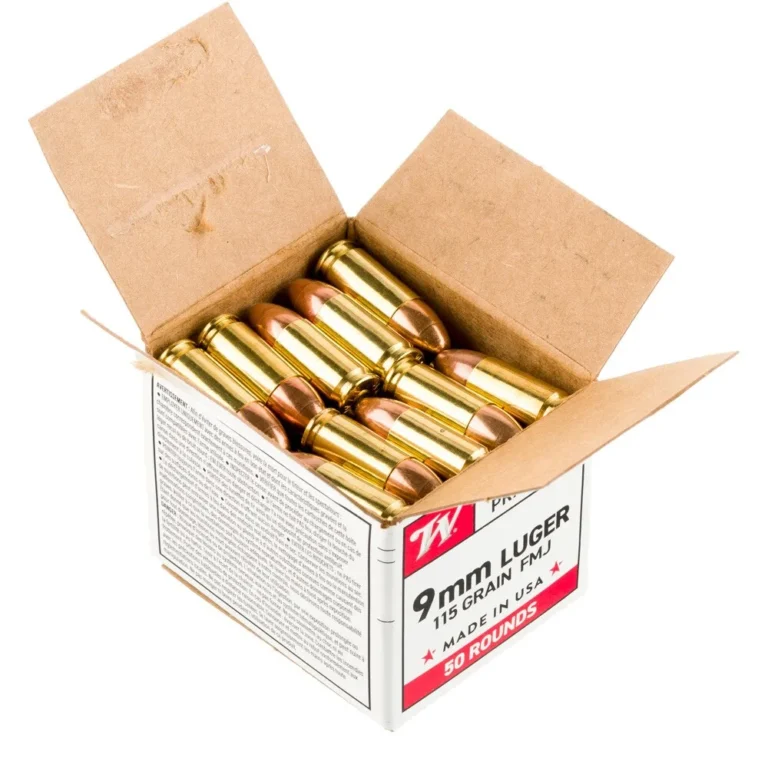
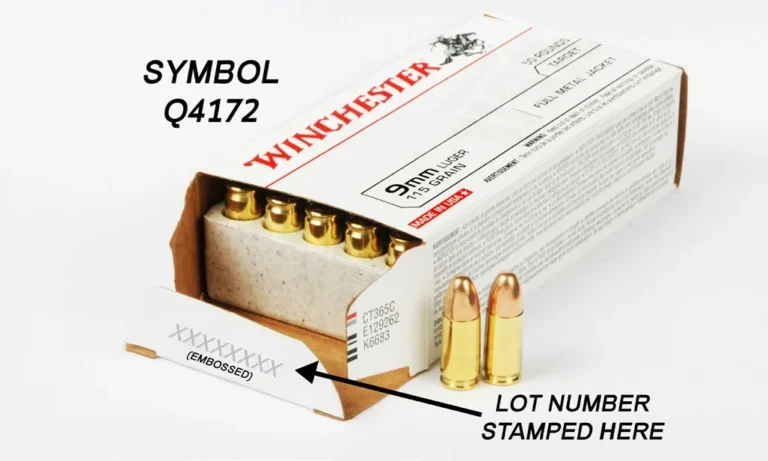
Storing ammunition in its original factory boxes is perfectly acceptable and often recommended for identification and protection. However, for long-term preservation in potentially humid environments, consider placing these factory boxes inside a larger, airtight container with desiccant packs to offer an additional layer of protection against moisture.