What Is Rimfire Ammunition?
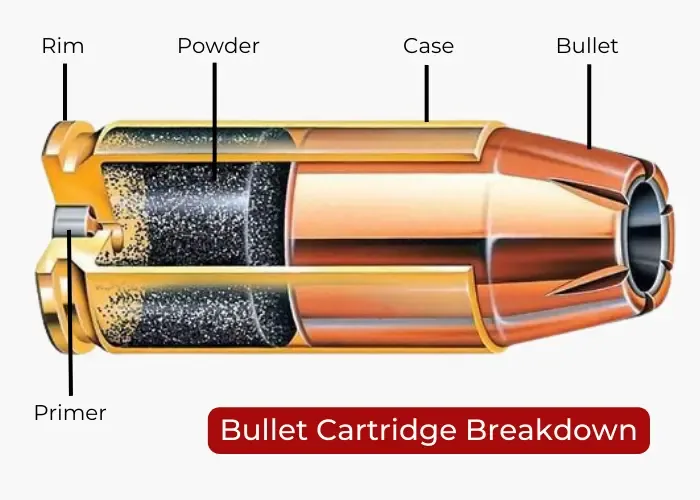
Image source: Bing (Web (fair-use with source credit))
What Rimfire Ammo Actually Is
What is rimfire ammunition? It's a fundamental question for anyone getting into shooting, and understanding it is key to safe and enjoyable firearm use. Rimfire cartridges have a unique design that makes them popular for a variety of applications, from casual plinking to serious practice.
When you're looking at ammunition, the way it's primed makes all the difference. Rimfire refers specifically to cartridges where the primer is located in the metal rim at the base of the case. This design detail, dating back to the mid-19th century, results in simpler, less expensive cartridges, with the common .22 Long Rifle caliber being a prime example manufactured to ANSI/SAAMI standards.
Quick Answer: How Rimfire Works
Rimfire ammunition features a primer installed within the hollow rim of the cartridge case. The firing pin strikes this rim, igniting the primer compound. This then ignites the gunpowder, propelling the bullet.
It’s a simple, reliable ignition system.
Core Explanation: The Anatomy of Rimfire
At its heart, "rimfire" tells you exactly where the explosive primer compound is located. Instead of being in a separate, small cup in the center of the case head (like centerfire ammo), the priming compound is smeared around the inside of the circular rim at the bottom of the cartridge. When the gun's firing pin hits this rim, it crushes the rim against an anvil surface in the firearm’s breech, igniting the primer.
This in turn ignites the main charge of gunpowder inside the case.
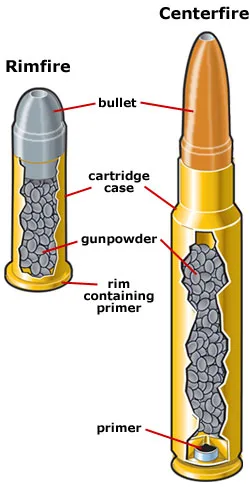
This design is what makes rimfire cartridges distinct. It's a self-contained unit where the ignition source is an integral part of the case itself, contributing to its overall simplicity and, often, its lower cost compared to other ammunition types.
Common Rimfire Calibers and Their Specs
You'll encounter a few key rimfire calibers that dominate the market. These are the rounds most people mean when they talk about rimfire. Each has its own niche, driven by factors like power, trajectory, and cost.
Here's a quick rundown of the most common ones:
- .22 Long Rifle (.22 LR): This is by far the most popular rimfire cartridge in the world. It's known for being incredibly affordable, having low recoil, and being suitable for a vast range of activities. Manufacturer specifications indicate muzzle velocities typically range from 1,100 to 1,600 feet per second (fps) depending on the load. It's the go-to for plinking, training, and small game.
- .22 Magnum (.22 WMR): Also known as .22 Win Mag, this cartridge offers more power and range than the .22 LR. It's a step up for small game hunting where a bit more energy is beneficial. Its velocities are generally higher, often in the 1,800 to 2,000 fps range.
- .17 Hornady Magnum Rimfire (.17 HMR): This is a more modern rimfire round, renowned for its extremely high velocity and flat trajectory. Designed for varmint hunting, it can reach speeds over 2,500 fps. However, it's typically more expensive and louder than the .22 LR.
As of 2026, these three calibers continue to be the primary drivers of the rimfire market, with countless variations in bullet weight and construction within each.
Why Rimfire is Great: Benefits for Shooters
The enduring popularity of rimfire ammunition isn't an accident; it's built on some significant advantages for shooters. These benefits make it a logical choice for many firearm owners and shooting disciplines.
- Affordability: This is often the biggest draw. Rimfire cartridges, especially the ubiquitous .22 LR, are substantially cheaper per round than most centerfire alternatives. This allows shooters to practice much more frequently without a prohibitive cost. Aggregate reviews from shooting forums consistently highlight the cost savings as a primary motivator for choosing rimfire.
- Low Recoil: Rimfire rounds produce very little felt recoil. This makes them extremely comfortable to shoot, even for extended periods. This is invaluable for new shooters learning the fundamentals, as it reduces flinching and helps build good habits.
- Simpler Firearms: Guns chambered in rimfire calibers, particularly .22 LR, are often simpler in design. This can translate to lighter weight, less complex operation, and generally lower manufacturing costs for the firearms themselves.
- Versatility for Specific Tasks: While not intended for heavy-duty defense or large game, rimfire is perfectly suited for its intended roles. Its manageable power and accuracy are ideal for plinking, pest control, and small game hunting.
These advantages combine to make rimfire an accessible and practical entry point into shooting sports and a valuable tool for experienced marksmen.
Where Rimfire Shines: Key Use Cases
Knowing what rimfire ammunition is good for helps you understand why it's so prevalent. It's not a one-size-fits-all solution, but in specific scenarios, it's the absolute best tool for the job.
- Firearm Training and Practice: For beginners and experienced shooters alike, rimfire is the undisputed champion for practice. The low cost means you can shoot hundreds, or even thousands, of rounds developing marksmanship fundamentals like sight alignment, trigger control, and breath control without breaking the bank. Manufacturer data often shows .22 LR firearms used in entry-level training programs due to these factors.
- Plinking: This is the casual, recreational shooting of targets. Whether it's tin cans, reactive steel targets, or paper bullseyes, rimfire is perfect. Its affordability and low recoil make a day of plinking enjoyable and sustainable.
- Small Game Hunting: For hunting small game like squirrels, rabbits, or prairie dogs, rimfire cartridges like the .22 LR and .22 WMR are traditional and effective choices. They provide sufficient energy for humane takedowns when placed accurately.
- Competitive Shooting: Many competitive shooting disciplines, especially those focused on precision and speed with smaller calibers, heavily rely on rimfire ammunition. Events like .22 LR silhouette shooting or some sections of action shooting competitions utilize rimfire for its distinct challenges and cost-effectiveness.
- Pest Control: For dealing with nuisance animals around property, rimfire firearms offer a quiet and effective solution that is less intimidating than larger caliber firearms.
In essence, if your goal involves lots of shooting, learning, or targeting smaller quarry, rimfire is likely the most practical and economical choice.
Mistakes to Avoid: Safety and Functionality Risks
While rimfire ammo is generally safe and easy to use, there are a few common pitfalls that can lead to frustration or, more importantly, safety issues. Being aware of these can save you a lot of trouble on the range or in the field.
- Using the Wrong Ammunition for Your Firearm: This is critical. Rimfire firearms are specifically designed for certain rimfire calibers. Never attempt to chamber or fire a .22 LR cartridge in a firearm designed only for .17 HMR, or vice-versa. Manufacturer specifications are clear on this; using the wrong ammo can cause firearm damage, malfunctions, or dangerous pressure issues. Always check your firearm’s markings.
- Ignoring Misfires: Rimfire ammo can sometimes produce a misfire, where the firing pin strikes the rim but nothing happens. Instead of immediately trying to fire again, the safest procedure is to wait about 10-15 seconds, then carefully eject the unfired round. This prevents a potential hang-fire, where the primer ignites after a delay.
- Attempting to Reload Rimfire Cases: Unlike most centerfire ammunition, rimfire cases are generally not designed to be reloaded by the shooter. The rim is crimped and deformed during firing, making it difficult to reliably seat a new primer. While some specialized enthusiasts attempt this, it's typically not practical or advisable for the average shooter and can lead to inconsistent performance or safety concerns.
- Storing Ammunition Improperly: While rimfire ammo is quite resilient, extreme temperatures or excessive moisture can degrade the primer or powder over time, leading to unreliable ignition. Store your ammunition in a cool, dry place away from direct sunlight.
Avoiding these common mistakes ensures a safer, more reliable shooting experience with your rimfire firearms.
Rimfire vs. Centerfire: Understanding the Difference
The main distinction between rimfire and centerfire ammunition lies in their ignition systems, which impacts their performance, cost, and usability. Understanding this difference is crucial when selecting ammunition for a specific firearm or purpose.
- Ignition System: As we've discussed, rimfire ammo has its primer compound located within the rim of the case. Centerfire ammunition, on the other hand, has a primer seated in a small, circular cup at the very center of the case's base.
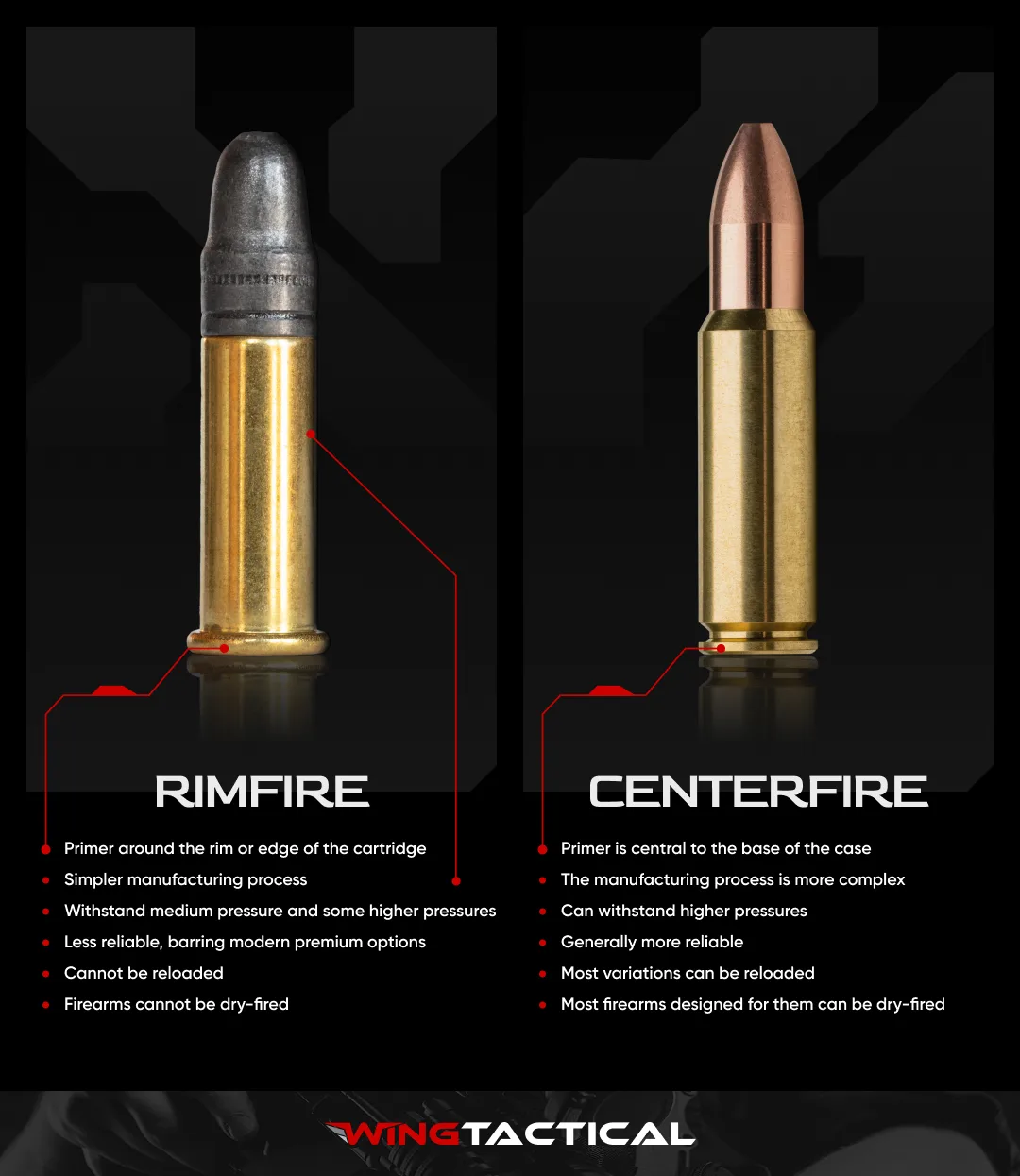
- Cost and Availability: Rimfire cartridges, particularly the .22 LR, are generally much more affordable and widely available than most centerfire options. This makes them ideal for high-volume practice.
- Power and Application: Centerfire ammunition typically offers significantly more power and velocity, making it suitable for larger game hunting, self-defense, and long-range precision shooting where rimfire might lack the necessary energy or range.
- Reloading: A major advantage of centerfire is that the cases are almost always designed to be reloaded by the shooter. This allows for cost savings over time and the ability to customize loads. Rimfire cases are generally not reloadable.
For casual shooting, training, and small game, rimfire is often the best choice. For more demanding applications requiring greater power, range, or the ability to reload, centerfire is the standard.
Frequently Asked Questions
What is the most common rimfire caliber?
The most common and widely used rimfire caliber by far is the .22 Long Rifle (.22 LR). It's known for its affordability, low recoil, and versatility.
Can I use .22 LR ammo in any .22 caliber firearm?
No, not necessarily. While many firearms are chambered for .22 LR, there are other .22 rimfire calibers like .22 Magnum (.22 WMR) and .17 HMR. Always verify your firearm’s specific caliber markings before loading ammunition to ensure safety and proper function.
Is rimfire ammunition safe for self-defense?
Generally, rimfire ammunition is not considered ideal for primary self-defense. While it can be effective in a pinch, centerfire cartridges typically offer greater stopping power and reliability for defending against human threats. Rimfire is better suited for practice and small game.
Why is rimfire ammo cheaper?
Rimfire ammunition is typically cheaper due to its simpler design, particularly the primer system which is integrated into the case rim. This allows for more efficient and less expensive manufacturing processes compared to the more complex primer and case construction of centerfire ammunition.