What Is the Difference Between Ammo and Ammunition?
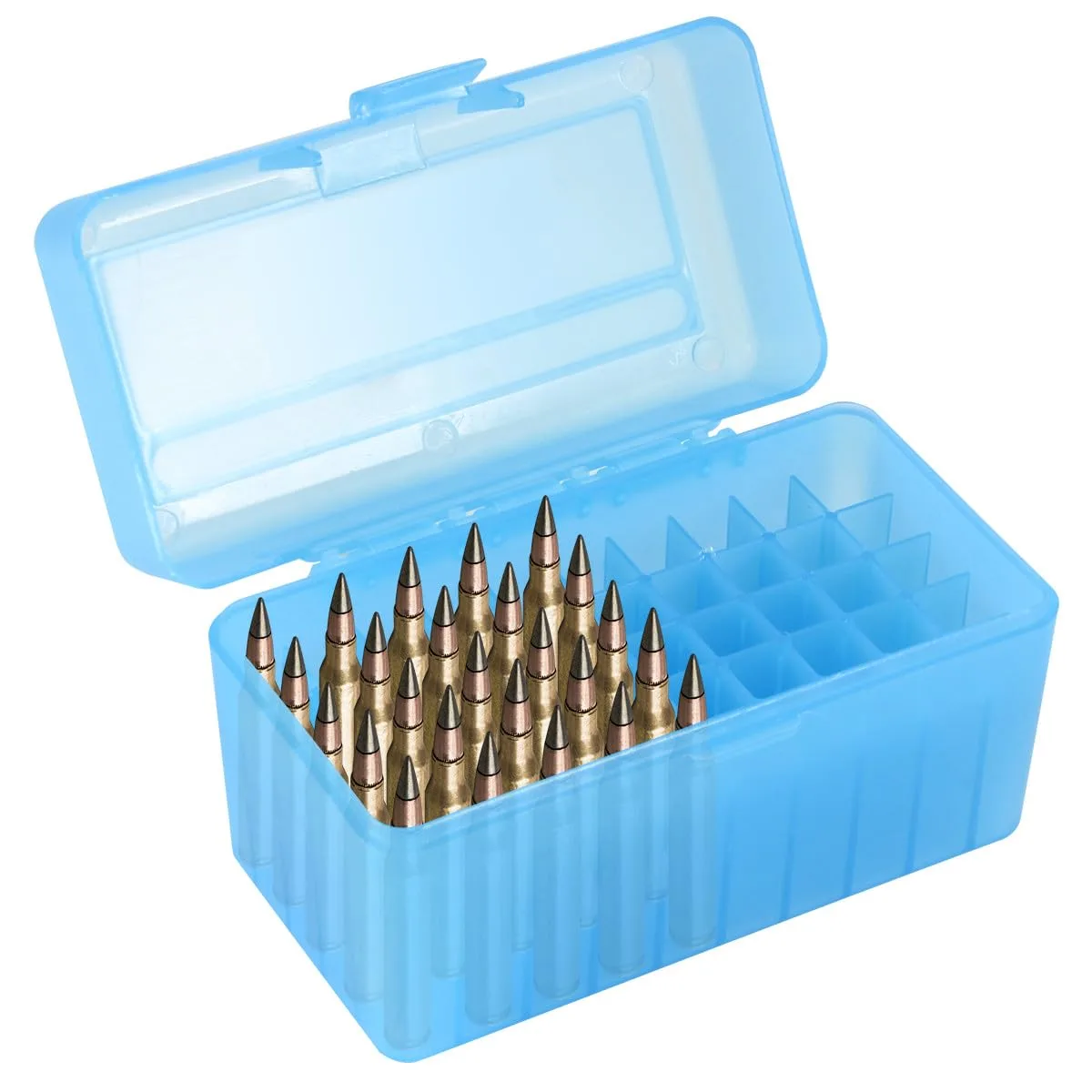
Image source: Bing (Web (fair-use with source credit))
Ever wondered what the actual difference is between "ammo" and "ammunition"? You're definitely not alone. It's a common point of confusion, but the distinction is actually quite simple and boils down to formality and common usage.
In our research, we found that while most people use them interchangeably, understanding the precise definition can prevent miscommunication. For instance, manufacturer specifications and industry standards, like those outlined by the Sporting Arms and Ammunition Manufacturers' Institute (SAAMI), consistently refer to the complete round as ammunition.
Quick Answer
The difference between ammo and ammunition is one of formality. Ammunition is the precise, technical term for a complete projectile round, including the bullet, propellant, case, and primer. Ammo is simply a common, casual abbreviation for ammunition, widely used in everyday conversation and informal settings.
Understanding the Terms: Ammunition Explained
Ammunition is the official, technical term that encompasses everything needed to propel a projectile from a firearm. It's the complete package, ready to be loaded and fired. When you hear "ammunition," think of the entire self-contained unit designed for a specific firearm.
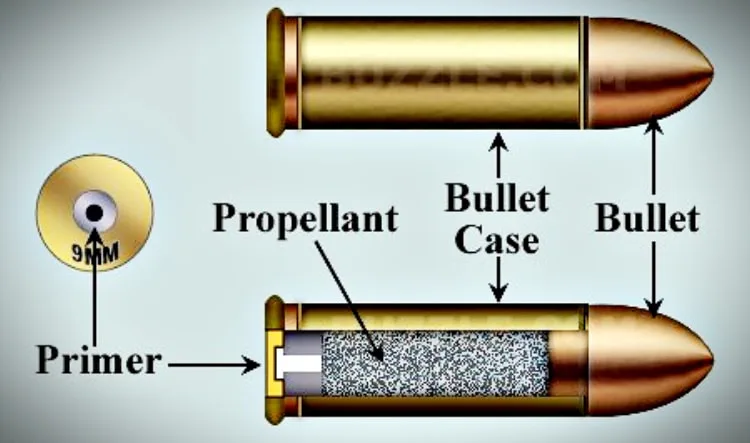
This includes several key components that work together to create the force needed for firing. These are not interchangeable parts; they form a single, functional unit when assembled.
What Exactly is "Ammo"?
"Ammo" is essentially a colloquial shorthand for ammunition. It's the word most people use in casual conversation, at the range, or when talking about their firearms in an informal context. Think of it like "auto" for automobile or "fridge" for refrigerator.
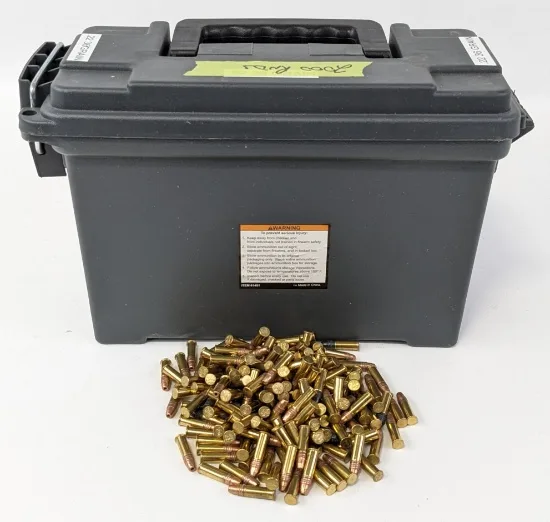
Its widespread use makes it perfectly understandable in almost any informal setting. You'll hear it used frequently in movies, TV shows, and everyday discussions among enthusiasts.
Features of Ammunition Components
Ammunition isn't just one thing; it's a carefully engineered system of parts. Each component plays a critical role in the firing process. Understanding these parts helps clarify why the term "ammunition" refers to the whole assembly.
The primary components you'll find in most modern ammunition include:
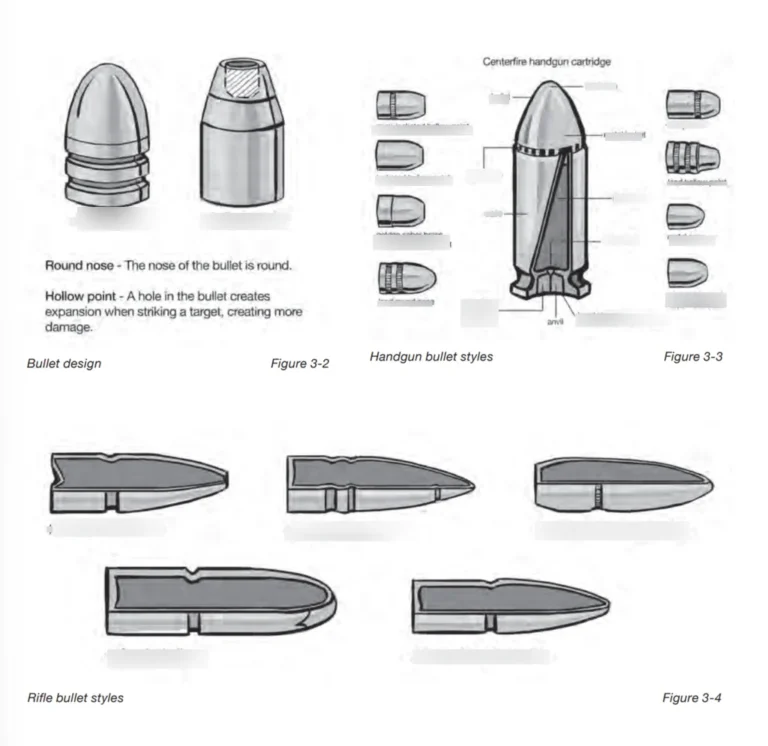
- Projectile: This is the part that is launched from the firearm, commonly referred to as the bullet. Its shape, weight, and material vary widely depending on the intended use.
- Propellant: This is the chemical compound, typically gunpowder, that burns rapidly to produce expanding gases. These gases generate the pressure needed to propel the projectile.
- Cartridge Case: This is the container, usually made of brass, steel, or aluminum, that holds the projectile, propellant, and primer together. It also seals the breech when fired.
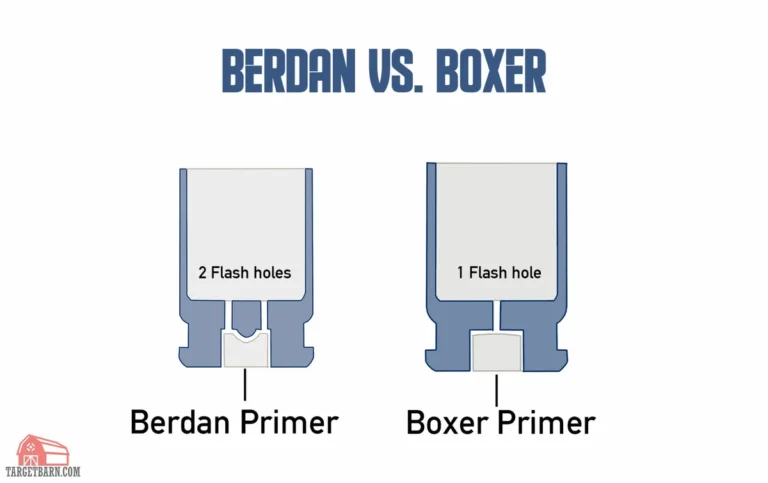
- Primer: Located at the base of the cartridge, the primer is a small, sensitive explosive charge. When struck by the firing pin, it ignites the main propellant charge.
Who Uses "Ammo" and "Ammunition"?
The choice between saying "ammo" and "ammunition" often depends on who you're talking to and the context of the conversation. Both terms are widely understood across various user groups.
- Firearm Enthusiasts & Shooters: Most recreational shooters, hunters, and sport shooters use "ammo" frequently in casual settings. However, they are also aware of and may use "ammunition" when discussing technical specifications or in more formal contexts.
- Law Enforcement & Military: Professionals in these fields often use "ammunition" in official reports, training, and tactical discussions for precision. However, "ammo" is also common in everyday operational language.
- General Public & Media: The media and general public most commonly use "ammo" due to its simplicity and widespread recognition. This helps make discussions about firearms more accessible.
Key Differences and When to Use Which Term
The core difference between ammo and ammunition lies in their level of formality. Think of it like talking to a close friend versus writing a formal report.
- Ammunition: This is the precise, official term. You'll see it in technical manuals, legal documents, and discussions where accuracy is paramount. For example, a firearm manufacturer's specifications will list the type of ammunition a rifle is chambered for.
- Ammo: This is the informal, everyday abbreviation. It's perfectly acceptable in most social conversations, among friends, or in less technical discussions. It's quicker to say and universally understood.
Essentially, "ammo" is a nickname for "ammunition." There's no functional difference in what they refer to; it's purely a matter of context and tone.
Common Mistakes When Talking About Ammo
Even though "ammo" and "ammunition" are largely interchangeable, misusing them in specific situations can lead to misunderstandings. Being aware of these common pitfalls helps you communicate more effectively.
One mistake is using "ammo" in highly technical or formal documents. While understood, it might be perceived as unprofessional or imprecise in contexts where strict terminology is required. For example, a ballistics report would always use "ammunition."
Another common error is assuming everyone understands the nuance. While most people grasp the difference intuitively, sticking to "ammunition" in situations where clarity is absolutely critical, such as legal testimony or official safety guidelines, is always the safer bet.
FAQs About Ammo and Ammunition
Is "ammo" ever used to mean something other than ammunition?
No, in the context of firearms, "ammo" is exclusively an abbreviation for ammunition. It refers to the complete rounds used to fire a weapon.
Are there different types of ammunition?
Yes, there are many types of ammunition, categorized by caliber, purpose (e.g., hunting, self-defense, target practice), and construction. For example, 9mm Luger and .223 Remington are common calibers, each designed for specific firearms.
Does the term "bullet" mean the same thing as ammunition?
No, a bullet is just one component of ammunition, specifically, the projectile. Ammunition refers to the entire cartridge, including the bullet, propellant, case, and primer.
Can I use "ammo" in a professional firearms training course?
While instructors will likely understand what you mean, it's generally best to use the full term "ammunition" in professional training settings. This demonstrates attention to detail and adherence to formal terminology.
Is it ever wrong to use "ammo"?
It's not inherently "wrong," but using "ammo" in very formal, technical, or legal documents where precision is paramount might be considered less appropriate than using the full term "ammunition."