Can Ammunition Be Shipped?
Shipping ammunition isn't as straightforward as sending a book or a sweater. Several layers of regulations and carrier policies dictate whether and how you can get cartridges or shells from one place to another. Getting it wrong means more than just a delayed package; it can lead to fines or legal trouble.
Figuring out if you can ship ammunition requires understanding who's involved and what rules they follow. For instance, common carriers like FedEx and UPS have specific requirements for hazardous materials, and the USPS has very limited options for shipping ammunition. As of 2026, adhering to Department of Transportation (DOT) Hazardous Materials Regulations is paramount.
Quick Answer
No, you generally cannot ship ammunition like typical mail or parcels. Most common carriers have strict policies against it, and the USPS has severe restrictions. Shipping ammunition is only possible under specific conditions, often requiring special handling, labeling, and direct agreements with carriers for certain types of shipments, typically by licensed businesses.
When Can You Actually Ship Ammunition?
So, can ammunition be shipped? The short answer is: it's complicated, and usually, the answer is no, not easily for an individual. When we talk about shipping ammunition, we're really talking about transporting cartridges, shells, and sometimes their components like primers and propellants.
These items are often classified as hazardous materials, which immediately puts them under a microscope for shipping companies and regulatory bodies.
Here's the breakdown of conditions that might allow ammunition to be shipped:
- Licensed Shippers: Most legitimate ammunition shipping is handled by licensed manufacturers and dealers who have established relationships and agreements with specific carriers. They understand the complex DOT regulations and have the proper infrastructure.
- Approved Carriers: Not all shipping companies accept ammunition. Those that do have stringent guidelines about packaging, labeling, and documentation.
- Specific Ammunition Types: While sporting ammunition has its own set of rules, certain types may face even tighter restrictions or outright bans.
- Component Shipping: Shipping individual components like smokeless powder or primers also falls under hazardous materials rules and is often even more restricted than shipping finished cartridges.
Essentially, if you're an individual looking to send a box of hunting rounds to a friend, you're likely out of luck with standard shipping services. It's designed for businesses that can comply with all the safety and legal mandates.
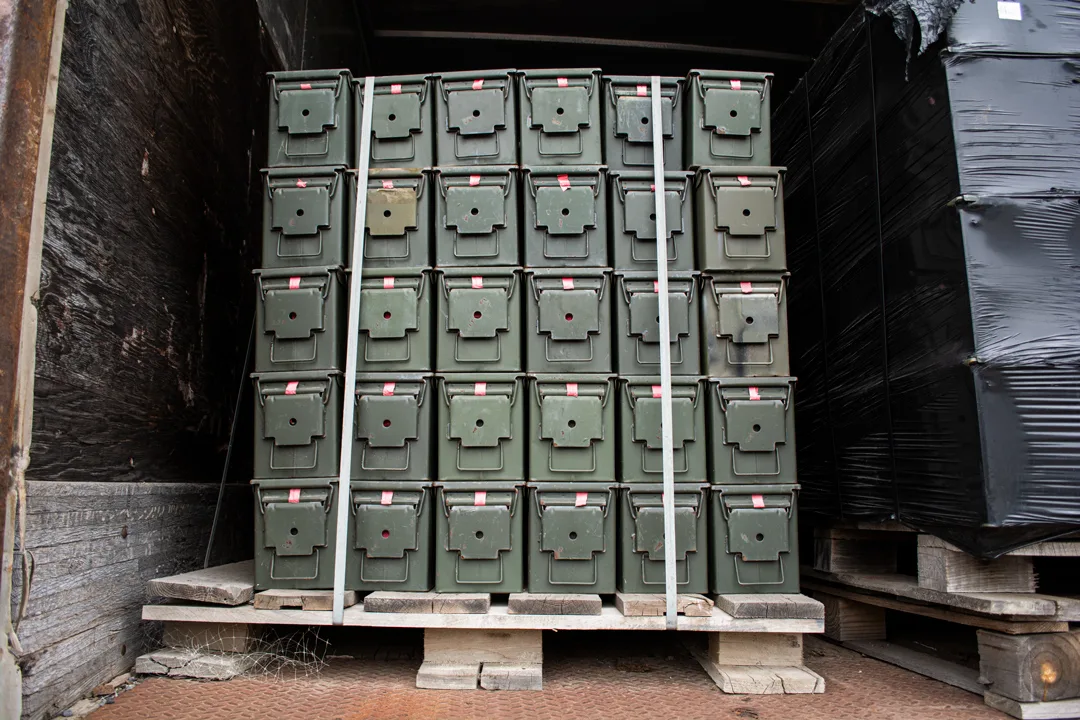
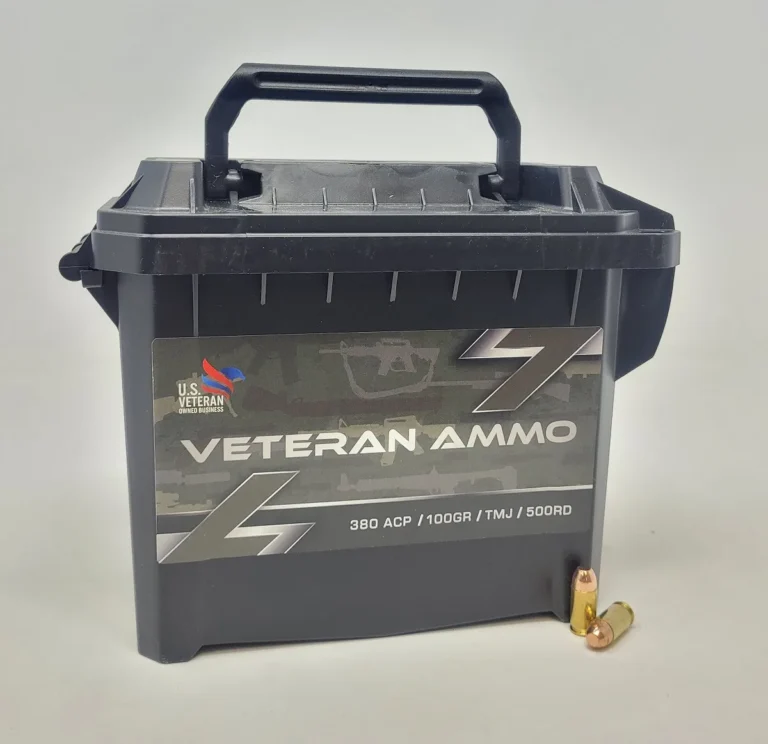
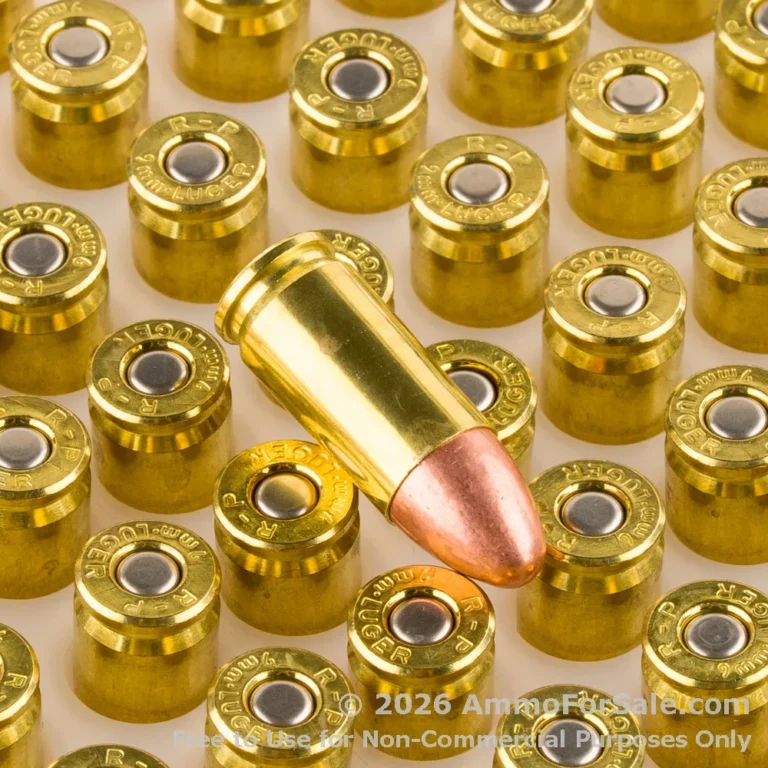
Image source: Bing (Web (fair-use with source credit))
Who's Involved in Shipping Ammo and What Are Their Rules?
Shipping ammunition involves a network of players, each with their own set of rules and responsibilities. It's not just about dropping a package at the post office. You've got the carriers themselves, government regulators, and the businesses that actually produce and sell the ammunition.
Common Carriers (FedEx, UPS, etc.)
Major shipping companies like FedEx and UPS generally do not accept ammunition shipments from individuals. Their policies are typically geared towards business-to-business shipments under strict contracts. If you are a licensed dealer or manufacturer, you might be able to ship ammunition with them, but you'll need to:
- Have a Contract: You typically need a specific contract in place that allows for the shipment of hazardous materials, including ammunition.
- Comply with Hazmat Rules: Ammunition is classified under the Department of Transportation's Hazardous Materials Regulations (HMR). This means you must follow all applicable packing, labeling, and documentation requirements. For instance, DOT regulations often require that ammunition be shipped in quantities and packaging that prevent accidental ignition.
- Use Approved Packaging: Specific types of inner and outer packaging are mandated to contain any potential event.
- Proper Labeling: Packages must be clearly marked as containing hazardous materials, including specific DOT identification numbers.
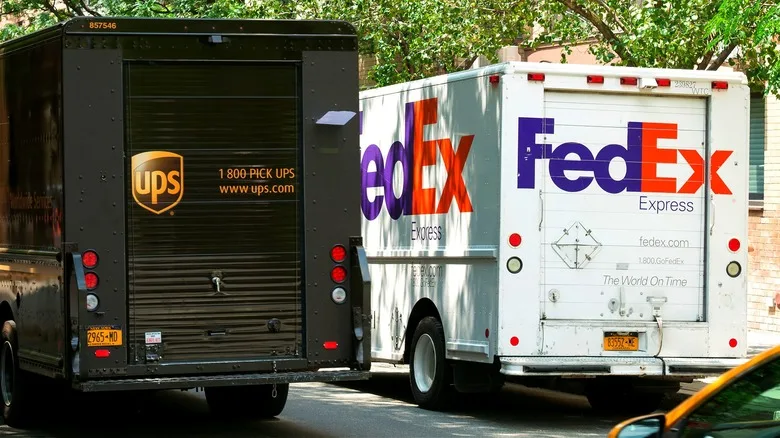
Image source: Bing (Web (fair-use with source credit))
The rules can vary slightly between carriers, but the underlying principle is the same: ammunition is a regulated item, and shipping it requires a high level of compliance and often a business-to-business relationship.
USPS Limitations
The United States Postal Service (USPS) has extremely limited options for shipping ammunition. Generally, individuals cannot mail ammunition via USPS. The only exception is for some types of ammunition components, and even then, it's highly restricted and typically only allowed between specific licensed entities under very controlled conditions.
Here's what you need to know about USPS and ammo:
- No Cartridges/Shells for Individuals: If you're looking to ship loaded cartridges or shells, the USPS explicitly prohibits this for the general public. This is due to safety concerns and their role as a universal service provider.
- Limited Component Shipping: In some very specific circumstances, and only under strict conditions, certain ammunition components might be mailable by licensed individuals or businesses. This usually involves things like percussion caps or primers, but again, these are hazardous materials and subject to rigorous packaging and labeling rules.
- Violations Lead to Seizure: Sending prohibited items through the USPS can result in the confiscation of the package, fines, and other legal penalties.
Because of these severe restrictions, if you're looking for a way to ship ammunition, the USPS is almost certainly not your viable option.
Manufacturer and Retailer Policies
When you buy ammunition online, you're relying on the manufacturer or retailer's shipping process. Their policies are designed to comply with all federal, state, and carrier regulations. They typically work with specialized logistics partners or have agreements with common carriers that allow them to ship ammunition legally.
These businesses must:
- Be Licensed: Possess all necessary federal and state licenses to handle and sell ammunition.
- Understand Carrier Agreements: Have formal agreements in place with shipping companies that specifically permit the transport of ammunition.
- Implement Compliant Packaging: Use packaging that meets or exceeds DOT standards for hazardous materials. This often involves multi-layer protection to prevent accidental discharge or damage.
- Ensure Accurate Labeling: Apply all required hazard labels and shipping documentation.
- Verify Customer Eligibility: Many online retailers will verify your age and sometimes your location's legality to receive ammunition before they will ship to you.
As a consumer, you can't bypass these policies. You must rely on the seller to handle the shipping correctly. If an online seller doesn't seem to be following proper procedures, it's a major red flag, and you should avoid purchasing from them.
Packaging Ammunition for Safe Transit: What You Need to Know
Proper packaging is the absolute linchpin of shipping ammunition safely and legally. This isn't about aesthetics; it's about preventing accidents, ensuring compliance with hazardous materials regulations, and making sure your shipment actually arrives at its destination. Think of it as creating a secure bubble that can withstand the rigors of transit.
The core principle is to prevent accidental ignition or explosion and to contain any potential incidents. This involves multiple layers of protection.
Here’s a look at the critical elements of packaging ammunition:
Inner Packaging:
- Securely Packed Rounds: Ammunition must be packed in its original manufacturer's box, or an approved equivalent. This means individual cartridges or shells should be held in place so they don't rattle around, chafe, or strike each other. Corrugated cardboard boxes with dividers are standard.
- Quantity Limits: Even within the inner packaging, there are often limits on the total quantity of ammunition or propellant weight per package. For smokeless powder, this is often a maximum of 1 pound (approx. 0.45 kg) per container. For cartridges, the limits are typically expressed in total gross weight.
Outer Packaging:
- Strong and Durable: The outer container must be a strong, corrugated fiberboard box or an equivalent approved for shipping hazardous materials. It needs to be able to withstand drops, impacts, and stacking without rupturing.
- Secure Closure: Boxes must be securely closed and sealed using strong tape specifically designed for shipping, applied according to manufacturer instructions.
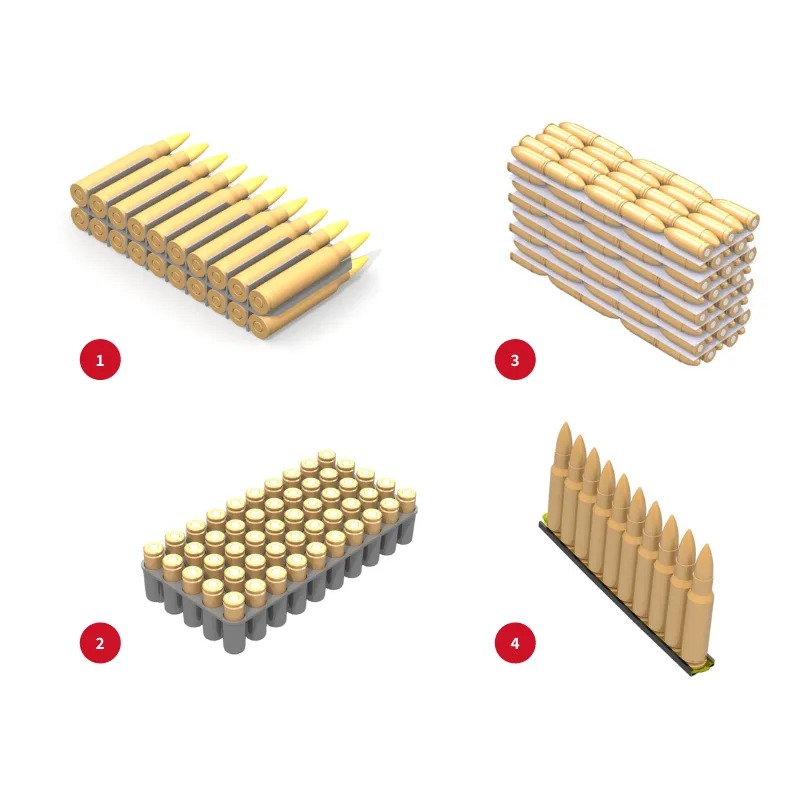
Image source: Bing (Web (fair-use with source credit))
- Labeling:
- Hazardous Materials Markings: Packages containing ammunition must be clearly marked with the appropriate hazardous materials labels. For example, under DOT regulations, it might be classified under UN0012 (Cartridges for small arms) or UN0014 (Cartridges, Blank) and require the Class 1.4G explosive label.
- Proper Shipping Name and Identification Number: The label will include the correct shipping name and UN identification number.
- Shipper and Consignee Information: Clear and legible addresses for both the sender and the recipient are essential.
Key Takeaway: Don't just grab any old box. Approved packaging is specific. If you're an individual trying to ship, you'll find that most carriers won't even accept the package if it's not accompanied by the correct business documentation and agreements.
Retailers use specialized packaging that meets stringent standards outlined by organizations like the Department of Transportation.
Understanding the Legal Landscape: Federal, State, and Local Laws
Shipping ammunition is a heavily regulated activity, governed by a patchwork of laws at the federal, state, and even local levels. Navigating this landscape is crucial, as non-compliance can lead to serious consequences. The primary concern for lawmakers is public safety, ensuring that ammunition doesn't fall into the wrong hands or end up being used in a way that causes harm.
Federal Regulations
At the federal level, the Department of Transportation (DOT) is a key player when it comes to shipping hazardous materials, which includes ammunition. Their regulations, found in Title 49 of the Code of Federal Regulations (49 CFR), detail:
- Classification: How ammunition is classified (e.g., UN0012, Class 1.4G Explosive).
- Packaging Standards: Specific requirements for inner and outer packaging.
- Labeling and Placarding: What marks must be on the package.
- Shipping Papers: Documentation required for transport.
- Quantity Limits: Maximum amounts allowed per package.
The Bureau of Alcohol, Tobacco, Firearms and Explosives (ATF) also plays a role, particularly concerning who can possess, sell, and import ammunition, which indirectly affects shipping. They set the standards for licensing and ensure that commercial sales and transfers are legal.
The United States Postal Service (USPS) has its own set of regulations, which are much more restrictive than those for commercial carriers. As noted, individuals generally cannot mail ammunition via USPS.
State and Local Laws
This is where things get even more complex. While federal law sets a baseline, states and even individual cities can have their own, often stricter, laws regarding the sale, possession, and transportation of ammunition.
- Interstate Shipping: If you are shipping ammunition from one state to another, you must comply with the laws of both the originating and destination states. Some states have specific bans or restrictions on certain types of ammunition.
- Local Ordinances: Some cities or counties might have additional rules that could affect shipping, though these are less common for direct transport compared to sales or possession.
Important Consideration: For individuals, the most significant legal hurdle is that most common carriers and the USPS simply will not accept ammunition for shipment without a special business agreement and adherence to hazardous materials protocols. Trying to ship it otherwise is a violation of both carrier policy and often federal law.
Common Mistakes That Get Your Shipment Delayed or Rejected
When people try to ship ammunition, whether it's an individual or a business that hasn't fully grasped the regulations, a few common mistakes crop up. These errors are usually the reason shipments get rejected at the counter, delayed significantly, or even confiscated. Understanding these pitfalls can save you a lot of trouble.
Here are the most frequent missteps:
- Shipping via USPS for Individuals: This is probably the biggest mistake. The USPS has extremely strict rules, and for all intents and purposes, individuals cannot mail ammunition. Trying to do so will result in seizure.
- Improper Packaging:
- Rattling Rounds: Not securing the ammunition within its inner box so rounds can move freely is a major problem. This increases the risk of damage or accidental discharge.
- Using Unapproved Boxes: Simply putting ammo in any old cardboard box without ensuring it meets DOT standards for strength and integrity is a non-starter.
- Insufficient Sealing: Not using proper shipping tape or not sealing the box correctly means it could open during transit.
- Missing or Incorrect Labels: This is a critical error. Ammunition packages require specific hazardous materials labels (like Class 1.4G). Failing to apply these, or using the wrong ones, will cause rejection.
- Misrepresenting Contents: Trying to ship ammunition without declaring it as such, or labeling it as something else (like "hardware" or "toys"), is illegal and can lead to severe penalties. Honesty and transparency are required.
- Ignoring Quantity Limits: There are often limits on the total weight of ammunition or the amount of propellant per package. Exceeding these limits will result in rejection. For example, smokeless powder is typically limited to 1 pound (approx. 0.45 kg) per container for certain shipping classes.
- Shipping to Prohibited Locations: Not checking if ammunition is legal to ship to the destination state or locality is a common oversight. State laws vary significantly.
- Lack of Carrier Agreement: For businesses, assuming a carrier will accept ammunition without a formal, written agreement is a mistake. Most carriers require specific contracts for hazardous materials.
These mistakes highlight why shipping ammunition is not a DIY task for individuals and requires careful attention to detail even for experienced shippers.
Do You Need Special Labels or Declarations?
Yes, absolutely. When you ship ammunition, special labeling and declarations are not optional; they are mandatory requirements under hazardous materials regulations. These are designed to alert everyone involved in the shipping process, from the person at the drop-off point to the truck driver, warehouse staff, and airline personnel, that the package contains regulated goods.
Here’s what's typically involved:
- Hazardous Materials Classification: Ammunition is classified as a hazardous material, usually falling under Class 1.4G Explosives, if it meets certain criteria (e.g., cartridges for small arms). This classification dictates the specific warnings and handling procedures required.
- Proper Shipping Name and UN Number: Packages must be marked with the correct "Proper Shipping Name" and a "UN Identification Number." For small arms cartridges, this is typically UN0012 (Cartridges for small arms). For blank cartridges, it might be UN0014 (Cartridges, blank).
- Hazard Labels: A specific hazard label must be affixed to the package, indicating its classification. For Class 1.4G, this is a distinctive explosive hazard label.
- Shipper's Declaration: Depending on the carrier and mode of transport, a formal "Shipper's Declaration for Dangerous Goods" may be required. This is a detailed document that includes:
- The shipper's and consignee's names and addresses.
- The proper shipping name, UN number, hazard class, and division.
- The quantity and type of packaging.
- Certification by the shipper that the goods are properly classified, packaged, marked, and labeled, and are in proper condition for transport.
Why is this so important? These labels and declarations serve a critical safety function. They ensure that emergency responders know what they are dealing with in case of an incident and that handlers take appropriate precautions. Carriers use this information to route shipments correctly and to ensure they are transported on vehicles or aircraft equipped for hazardous materials.
Failing to provide the correct labels or declarations is a direct violation of regulations and will almost certainly lead to your shipment being rejected or, worse, confiscated, and potentially incurring fines.
FAQ: Your Burning Ammunition Shipping Questions Answered
Can I ship ammunition to myself if I'm traveling?
No, you generally cannot ship ammunition to yourself for travel purposes through standard mail services. Travelers typically need to transport ammunition within their checked baggage on airplanes, following strict airline and TSA regulations regarding unloaded firearms and ammunition packaging, or purchase it at their destination.
What happens if a carrier finds undeclared ammunition?
If a carrier discovers undeclared ammunition, they will likely confiscate it. You could face fines, legal penalties, and the carrier may ban you from using their services in the future. This is considered a serious violation of shipping regulations.
Is it legal to ship ammunition components like gunpowder and primers?
Shipping ammunition components such as smokeless powder and primers is highly regulated and often more restrictive than shipping finished cartridges. These are considered hazardous materials, and individual shippers usually cannot send them via common carriers or the USPS due to safety risks and complex compliance requirements. Licensed businesses may ship them under strict DOT and carrier-approved protocols.
How do I know if a company is a legitimate shipper of ammunition?
Look for companies that openly state their adherence to DOT and carrier regulations. Reputable online ammunition retailers will clearly outline their shipping policies, verify your eligibility to receive ammunition, and use carriers that explicitly handle hazardous materials. If a company seems vague or bypasses standard procedures, it's a warning sign.