How Do You Read an Ammo Headstamp?
So, you've got some ammunition, and you're looking at the markings on the bottom. That's the headstamp, and it's packed with crucial information. Knowing how to read an ammo headstamp is fundamental for ensuring you're using the right rounds safely and effectively with your firearms.
Think of the headstamp as the ammunition's fingerprint. It tells you who made it, what caliber it is, and sometimes even when and where it was produced. This knowledge is vital for preventing dangerous mismatches and understanding the specifics of your gear, much like understanding component specifications as defined by standards like the SAAMI (Sporting Arms and Ammunition Manufacturers’ Institute) guidelines.
Quick Answer
To read an ammo headstamp, identify the manufacturer's logo or name, the caliber designation, and any other symbols or numbers. These markings confirm the cartridge's specifications and compatibility. Always cross-reference with official guides if unsure.
Why Knowing Your Headstamp Matters
Honestly, it's all about safety and smart gun ownership. Using the wrong ammunition can lead to serious malfunctions, damage to your firearm, or even injury. The headstamp is your first line of defense in making sure you're matching the right round to the right gun.
Beyond safety, understanding headstamps helps you know exactly what you're handling. Are you using standard target rounds, or something more specialized? This info is key for everything from effective practice to basic troubleshooting if you ever encounter a problem with a cartridge.
Manufacturer specifications often detail if a primer is lead-free, marked by specific symbols.
Ammo Headstamp Basics: What Are You Looking At?
At its core, an ammo headstamp is a series of engravings or markings on the base of a cartridge case. These aren't random; they're deliberately placed by the manufacturer to convey specific information about that particular round. It’s like a miniature, metal ID card for your ammunition.
You'll typically find these markings impressed or stamped into the metal of the casing. The arrangement and design can vary wildly from one maker to another, and even between different types of ammunition from the same maker. It’s a system built on a lot of different symbols, abbreviations, and numbers that, once you know what to look for, tell a clear story.
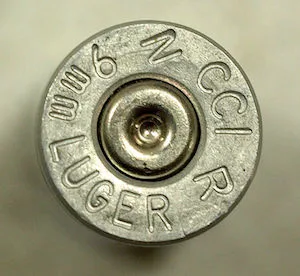
Image source: Bing (Web (fair-use with source credit))
Spotting the Key Identifiers: Manufacturer, Caliber, and More
When you pick up a cartridge, the headstamp is usually the most prominent set of markings on the base. The most crucial pieces of information are almost always the manufacturer and the caliber. These are the two things you absolutely must get right.
The manufacturer's mark is often a logo or a recognizable abbreviation. For example, you might see "WIN" for Winchester, "FC" for Federal Cartridge, or "RELO" for Remington. Following that, you'll find the caliber, which tells you the size and type of the round.
This is critical for matching ammo to your firearm.

Image source: Bing (Web (fair-use with source credit))
Caliber Designation
The caliber designation is arguably the most vital part of the headstamp. It directly tells you if the ammunition is compatible with your firearm. You’ll see common designations like "9mm Luger," ".45 ACP," ".223 Remington," or "12 GA" (for 12-gauge shotgun shells).
Sometimes, these are abbreviated further, so knowing common abbreviations is helpful.
For example, a round marked ".223 REM" is intended for firearms chambered in .223 Remington. While it’s very similar to 5.56x45mm NATO, there can be critical differences in pressure and chambering that make using one in a firearm designed for the other potentially unsafe. Always stick to the caliber specified for your firearm.
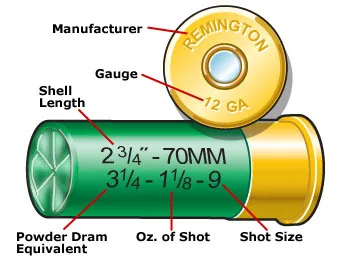
Image source: Bing (Web (fair-use with source credit))
Other Markings to Look For
Beyond the brand and caliber, headstamps can contain a wealth of other details. You might find:
- Date of Manufacture: Often stamped as two digits (e.g., "22" for 2022) or sometimes four digits. This helps track ammunition age.
- Lot Numbers: These are usually for the manufacturer's internal tracking and quality control but are sometimes present.
- Special Indicators: Symbols or letters can denote specific primer types (like lead-free or non-corrosive), special bullet constructions, or military specifications. For instance, certain military cartridges might have markings indicating they are armor-piercing or tracer rounds, though these are often restricted.
Common Ammo Headstamp Symbols and Codes Explained
This is where things can get a bit more complex, as symbols and codes are used to convey specific details about the ammunition's composition or intended use. While manufacturer logos and caliber are usually straightforward, these secondary markings require a bit more understanding. They can tell you if a primer is non-corrosive, if the bullet is specially coated, or if the cartridge is designed for specific conditions.
For example, a "LA" might indicate a lead-free primer system, which is becoming more common in some regions due to environmental regulations. Military cartridges often use a different system of alphanumeric codes that can specify anything from the propellant type to the intended target. As of 2026, many manufacturers are standardizing certain lead-free indicators, making them easier to spot.
Here’s a look at some common types of symbols and codes you might encounter:
- Primer Type Indicators:
- "LA" or similar: Often denotes lead-free primers.
- Specific symbols: Some manufacturers use unique symbols to indicate a specific primer formulation, like non-corrosive or magnum primers.
- Bullet Type Indicators:
- Sometimes, markings might hint at the bullet construction, though this is less common on standard headstamps and more often found on box labels.
- Date Codes:
- "YY": Two digits for the year of manufacture (e.g., "21" for 2021).
- "YYYY": Four digits for the full year of manufacture.
- Manufacturer Specific Codes:
- Each company has its own system for lot numbers, production lines, or special runs. These are primarily for their internal use.
It's important to note that there isn't a single, universal standard for all symbols and codes across every manufacturer worldwide. This is why consulting the official documentation or website of the ammunition maker is your most reliable bet for deciphering less common markings.
Mistakes to Avoid When Reading Headstamps
When you’re trying to decipher an ammo headstamp, a few common slip-ups can lead to confusion or, worse, dangerous situations. The biggest mistake is assuming you know what a marking means without verification. If you see a symbol or code you’re not 100% sure about, don't guess.
Another significant error is relying solely on visual memory or incomplete information. Headstamps can be subtle, and variations exist even within the same caliber from different makers. Always double-check.
Here are some critical mistakes to avoid:
- Assuming Compatibility: Never assume two calibers that sound similar are interchangeable. For instance, mistaking .308 Winchester for 7.62x51mm NATO can be problematic due to pressure differences, even though they are often functionally similar in many firearms. Always check your firearm's manual.
- Ignoring Worn or Damaged Headstamps: If the markings are too worn, corroded, or damaged to read clearly, do not use that ammunition. It’s impossible to verify its identity, and using unknown ammo is a major safety risk.
- Confusing Abbreviations: Get familiar with common caliber abbreviations, but if you see something unusual, look it up. Not all abbreviations are intuitive.
- Overlooking Primer Type: While less common for typical users, understanding primer types (e.g., standard, magnum, primer sealing for waterproof ammo) can be important for specific firearm applications or reloading.
- Relying on Non-Official Sources Blindly: While online forums and enthusiast sites can be helpful, always cross-reference their information with official manufacturer data or recognized industry standards like SAAMI.
- Using Foreign Markings Without Understanding: Ammo manufactured in different countries might use unique marking systems. If you're unsure, it's best to avoid using it until you can confirm its specifications from a trusted source.
Using Manufacturer Guides: Your Best Resource for Visuals
Because headstamp designs and symbols vary so much between manufacturers, the absolute best way to learn is to look at the official resources they provide. Companies invest a lot in ensuring their products are identifiable, and their websites often feature detailed guides or charts that show exactly what their headstamps look like.
These manufacturer guides are invaluable. They don't just list the markings; they often show actual photographs or clear line drawings of the headstamps. This visual confirmation is crucial because many markings are subtle variations in fonts, logos, or symbols that are hard to describe adequately with words alone.
Here's why manufacturer guides are your go-to:
- Visual Accuracy: They provide direct images, eliminating guesswork. You can compare what you see on the cartridge directly to the guide.
- Comprehensive Listings: Reputable manufacturers will detail all the common markings used across their product lines, including special editions or older production runs.
- Technical Specifications: Beyond just identification, these guides often link to detailed technical specs for each ammunition type, including pressure ratings and intended uses, which is vital for understanding compatibility.
- Updates and Revisions: As manufacturers update their product lines or marking systems, their official guides are typically the first place to find the most current information.
- Clear Caliber Explanations: They leave no room for doubt about what caliber a specific marking refers to, often listing both common names and industry designations.
For example, when researching a particular box of rounds, navigating to the "Ammunition" or "Support" section of a brand like Hornady, Federal, or Winchester will often lead you to a page dedicated to understanding their headstamp conventions. These are the most authoritative sources you can find for their own products.
Frequently Asked Questions
What if my ammo headstamp is worn off?
If an ammo headstamp is too worn, corroded, or damaged to be read clearly, do not use that ammunition. It's impossible to verify its identity, and using unknown cartridges poses a significant safety risk.
Can I use any brand of ammo if the caliber matches?
Generally, yes, as long as the caliber designation on the headstamp exactly matches your firearm's chambering. However, always ensure the ammunition is from a reputable manufacturer and meets industry standards like those from SAAMI.
Do different countries use different headstamp systems?
Yes, ammunition manufactured in different countries may employ unique marking systems. If you encounter headstamps you don't recognize, it's best to consult official manufacturer resources or a qualified expert before use.
What does a year on the headstamp mean?
A year stamped on the headstamp typically indicates the year the ammunition was manufactured. This can be helpful for tracking the age of your ammunition, though proper storage is more critical for long-term reliability.