What Is Nickel-Plated Ammunition?
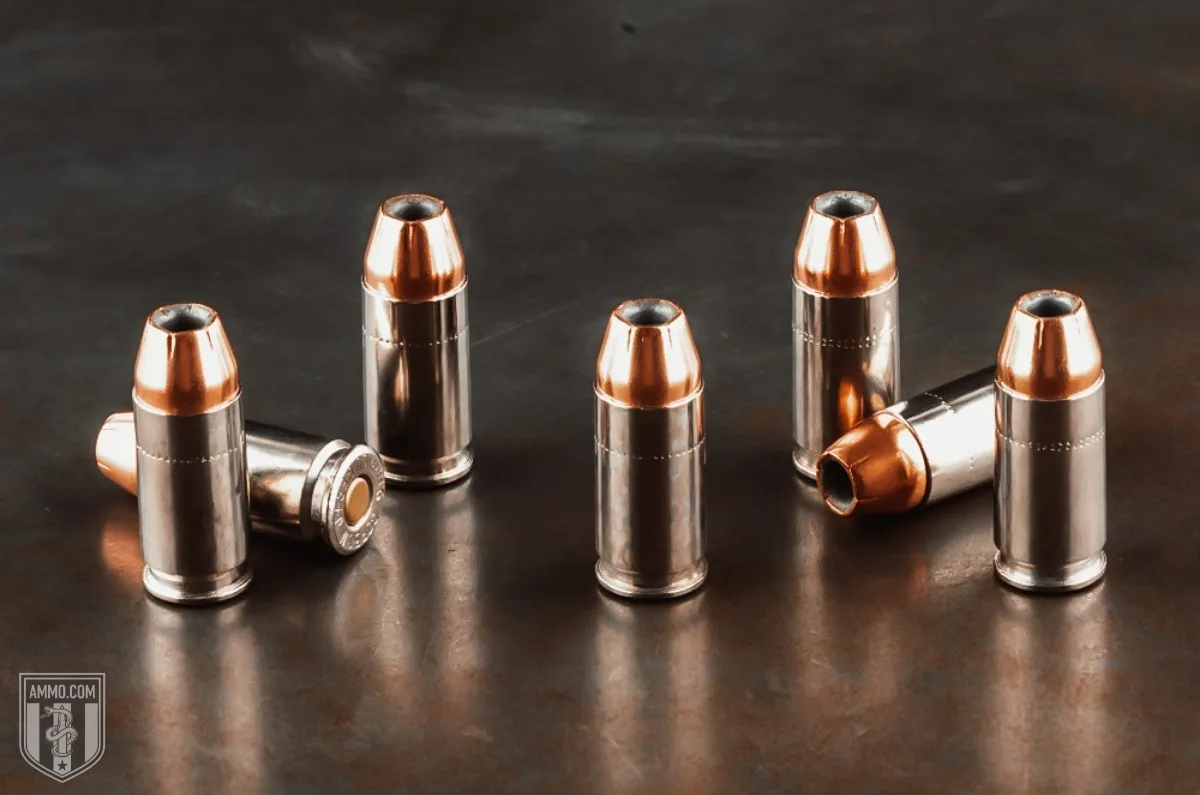
Image source: Bing (Web (fair-use with source credit))
So, what exactly is nickel-plated ammunition, and why would you even consider it over the standard stuff? You've probably seen those shiny, silvery rounds mixed in with the usual brass ones. That metallic gleam isn't just for show; it points to a different set of characteristics that can matter when you're firing your firearm.
Understanding what makes it unique is key to knowing if it's the right choice for your needs, whether you're at the range or relying on it for personal protection.
Manufacturer specifications consistently highlight that nickel plating adds a layer of corrosion resistance and lubricity. According to testing standards, this plating can significantly reduce the likelihood of tarnishing compared to unplated brass casings, especially when exposed to moisture. It's a small change in finish that can have noticeable effects on performance and reliability.
Let's break down what that means for you.
Quick Answer: What's the Shiny Coat For?
Nickel-plated ammunition features a shiny, silvery coating on its brass casing. This plating enhances corrosion resistance and provides a smoother surface. It's primarily used to improve feeding reliability in firearms and resist tarnishing.
Core Explanation: How Nickel Plating Works on Ammo
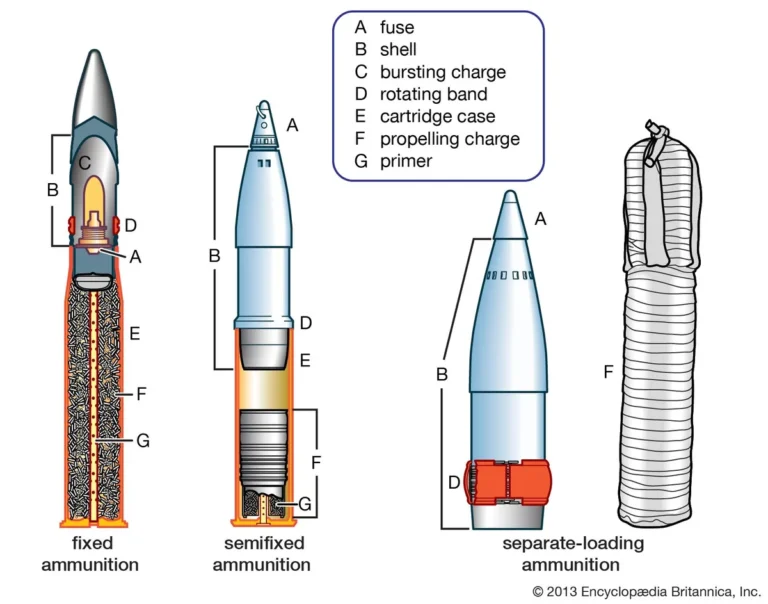
At its heart, nickel-plated ammunition is still the same functional cartridge you're used to. The core components, the projectile (bullet), the propellant (gunpowder), and the primer, remain identical to their brass-cased counterparts. The difference lies entirely in the exterior of the cartridge case.
Manufacturers apply a thin layer of nickel, typically through an electroplating process, directly onto the brass casing. This process adheres the nickel uniformly, creating a durable, bright finish.

Image source: Bing (Web (fair-use with source credit))
The nickel plating isn't just for looks; it fundamentally alters the casing's surface properties. According to manufacturer specifications, this plating offers two primary functional benefits:
- Enhanced Lubricity: The smooth, slick surface of nickel reduces friction. This is particularly beneficial as the cartridge moves from the magazine, into the chamber, and is eventually extracted after firing. Less friction means a smoother, more reliable feeding and ejection cycle, which is critical in semi-automatic and automatic firearms.
- Corrosion Resistance: Nickel is inherently more resistant to oxidation and tarnishing than brass. This means nickel-plated ammunition is less prone to developing that dull, greenish patina or pitting that can occur with brass casings when exposed to moisture or certain environmental conditions. This improved resistance can lead to a longer shelf life and more consistent performance, especially in storage environments that aren't perfectly climate-controlled.
Why Not Just Use Brass?
Brass has been the go-to material for ammunition casings for a very long time, and for good reason. It's malleable, relatively inexpensive to produce, and has excellent properties for its role, including good tensile strength and ductility. For most everyday shooting applications, standard brass casings perform perfectly well and are more economical.
However, there are scenarios where brass's limitations become more apparent. Brass can tarnish more readily, potentially affecting reliable extraction if the corrosion is severe. Furthermore, while brass provides adequate lubricity, the slickness of nickel plating offers an incremental advantage in extremely rapid-fire or high-stress situations where even minor feeding delays can be detrimental.
The choice between nickel and brass often boils down to balancing cost against the need for enhanced reliability and durability in specific environments or use cases.
Nickel-Plated Ammo: The Real Pros and Cons
When you're looking at nickel-plated ammo, you're weighing its unique advantages against its less appealing aspects. It's not a universally better option than brass; it's a different one, suited for particular preferences and situations. Our research, compiled from aggregate user feedback and manufacturer data, points to a clear set of benefits and drawbacks.
Smoother Feeding & Reliability: The Upside
The primary advantage cited by manufacturers and shooters alike is enhanced feeding reliability. The nickel plating creates a significantly slicker surface compared to standard brass. This reduced friction allows the cartridge to slide more effortlessly from the magazine into the chamber, and from the chamber into the extractor during ejection.
This improved lubricity is particularly valuable in firearms that have tighter tolerances or in semi-automatic and automatic actions where smooth cycling is paramount. For instance, during rapid firing sequences, a smoother case transition can minimize the chances of a feed or ejection jam. This makes nickel-plated ammunition a favored choice for self-defense rounds, where consistent, flawless operation can be critical in a high-stress situation.
Aggregate reviews report a noticeable reduction in feeding issues, especially in firearms known to be a bit finicky.
Cost and Potential Extraction Issues: The Downside
While the slickness aids feeding, the harder nickel alloy can sometimes present a minor challenge during extraction. Brass, being softer, tends to expand slightly more upon firing, creating a seal. When it cools, it contracts, making extraction generally easy.
Nickel's hardness can, in some firearm designs or under specific pressure conditions, lead to a slightly more "sticky" extraction than brass. This is less about feeding in and more about ejecting out.
Furthermore, nickel-plated ammunition generally comes with a higher price tag than standard brass-cased rounds. This increased cost is due to the additional manufacturing process of applying the plating. For high-volume shooters or those on a strict budget, this cost difference can be a significant factor, leading them to opt for more economical brass alternatives for general practice.
When Should You Actually Use Nickel-Plated Ammo?
Deciding if nickel-plated ammunition is the right choice for you depends heavily on your intended use and your firearm. While it's a quality option for many, it truly shines in specific scenarios where its enhanced properties offer a clear benefit. It's not necessarily a "must-have" for every single shooter, but for some, it's the preferred option.
Best for Self-Defense and Duty
For personal defense, consistent and reliable firearm function is non-negotiable. Nickel-plated ammunition often excels here due to its enhanced lubricity. The slicker case surface helps ensure that cartridges feed smoothly from the magazine into the chamber, even under stress or in firearms that might otherwise be prone to minor feeding hiccups.
Manufacturer specifications for self-defense lines frequently highlight this feeding reliability.
This improved feeding is particularly advantageous in semi-automatic pistols, where the action relies on the cartridge sliding effortlessly into place. In a critical situation, any hesitation or jam could have severe consequences. Therefore, many law enforcement professionals and civilian defenders opt for nickel-plated rounds, trusting the added smoothness for optimal performance when it matters most.
Good for the Range, But Is It Necessary?
At the shooting range, nickel-plated ammunition can certainly be used, and many shooters enjoy its smooth operation. If you appreciate the visual appeal, the slightly easier handling, or the added protection against tarnish, it's a perfectly viable option for target practice. However, for standard plinking or general target shooting where extreme reliability isn't the absolute top priority, standard brass-cased ammunition often presents a more cost-effective choice.
Brass ammunition is generally less expensive per round. For shooting hundreds or thousands of rounds for practice, the cost savings can be substantial. While nickel plating offers a marginal improvement in feeding smoothness, brass casings are already reliable enough for most recreational shooting activities.
So, while you can use nickel-plated ammo at the range, you might not need to unless you're specifically training for self-defense scenarios or have a firearm that benefits noticeably from the extra slickness.
Common Mistakes When Choosing or Using Nickel Ammo
When people start exploring nickel-plated ammunition, a few common misunderstandings or missteps can arise. Most of these stem from assuming it's a direct upgrade over brass in every single way, or not understanding its specific application. Getting these points wrong can lead to unnecessary expense or even unexpected performance issues.
One common mistake is believing that nickel plating automatically makes ammunition "better" for all shooting types. While it enhances feeding, it doesn't necessarily improve accuracy over equivalent brass-cased rounds, as accuracy is primarily determined by the projectile, powder charge, and the firearm's bore. Another pitfall is overlooking the potential for slightly tougher extraction.
In firearms with very tight chamber tolerances, the harder nickel casing might stick more than softer brass, especially when hot, potentially causing extraction delays for competitive shooters focused on speed. Finally, some shooters might opt for nickel-plated rounds for long-term storage in very humid environments without realizing that while it resists corrosion better than brass, it's not entirely impervious to damage and proper storage practices are still essential.
Comparing Nickel-Plated to Brass: What's the Difference?
The core of understanding nickel-plated ammunition lies in how it stacks up against its most common alternative: standard brass-cased ammunition. While both serve the same fundamental purpose, their material differences lead to distinct characteristics that influence their suitability for various applications. It's not a simple matter of one being "better," but rather understanding when each option is the superior choice.
Image source: Bing (Web (fair-use with source credit))
Here's a breakdown of their key differences:
- Material & Finish: Nickel-plated ammo has a thin nickel layer electroplated onto a brass casing, giving it a silvery, shiny appearance. Standard ammunition uses unplated brass, which has a characteristic golden-yellow color.
- Lubricity: The nickel plating provides a smoother, slicker surface, reducing friction during feeding and extraction. Brass is also relatively smooth but not to the same degree as nickel.
- Corrosion Resistance: Nickel plating offers superior resistance to tarnishing and corrosion compared to brass, especially when exposed to moisture or humidity. Brass will show signs of tarnish more readily over time.
- Cost: Nickel-plated ammunition is typically more expensive than comparable brass-cased rounds due to the additional plating process.
- Extraction: While nickel aids feeding, some shooters report slightly more difficult or "sticky" extraction with nickel-plated cases in certain firearms compared to brass, particularly when the casing is hot. Brass, being softer, may conform more readily for easier ejection in some scenarios.
- Reloading: Both brass and nickel-plated casings can be reloaded. However, reloaders sometimes report that nickel plating can be slightly harder on sizing dies over many cycles, and some prefer the tactile feedback of brass for identifying potential case issues.
Ultimately, the choice often comes down to priorities. For those who value enhanced feeding reliability and corrosion resistance, especially in self-defense applications, nickel-plated ammo is a strong contender. For budget-conscious shooters focused on high-volume practice, standard brass offers excellent performance at a lower cost.
As of 2026, these distinctions remain consistent in the market.
Frequently Asked Questions About Nickel-Plated Ammo
Is nickel-plated ammunition safe to use?
Yes, nickel-plated ammunition is perfectly safe to use in any firearm chambered for that specific cartridge type, provided it's manufactured to industry standards. The nickel plating does not negatively affect the explosive force of the propellant or the projectile's stability.
Will nickel-plated ammo corrode my firearm?
No, nickel-plated ammunition will not corrode your firearm. The nickel plating is on the outside of the casing and is designed to resist corrosion itself. It does not interact chemically with the firearm's metal in a way that would cause damage.
Can I reload nickel-plated casings?
Yes, nickel-plated casings can be reloaded, though some reloaders prefer brass. The nickel coating can be harder on resizing dies over many cycles, and some find it slightly more difficult to detect case defects compared to brass. However, they are perfectly re-loadable.
Is nickel-plated ammo more accurate than brass?
Generally, no. Accuracy is more dependent on the quality of the projectile, the consistency of the powder charge, and the firearm's barrel than the casing material itself. While both types perform reliably, neither offers a consistent accuracy advantage over the other.
How should I store nickel-plated ammunition?
Store nickel-plated ammunition just as you would any other quality ammunition: in a cool, dry place, away from direct sunlight and extreme temperature fluctuations. While it resists corrosion better than brass, proper storage still ensures its longevity and reliability.