Does Bullet Weight Affect Accuracy?
So, you're curious: Does bullet weight affect accuracy? It’s a question many shooters ponder, especially when trying to wring the best possible performance out of their firearms. The short answer is a resounding yes, bullet weight is a significant factor, and understanding how it interacts with your specific rifle can make a noticeable difference in your results downrange.
This isn't just about theory; it's about practical ballistics and how physics plays out. The weight of the projectile directly influences its stability, its trajectory, and how it behaves when encountering external forces like wind. Manufacturer specifications, for example, often detail recommended bullet weights based on rifling twist rates, indicating the technical importance of this attribute.
Quick Answer
Yes, bullet weight significantly affects accuracy. Heavier bullets often perform better in wind due to higher momentum, while lighter bullets can offer flatter trajectories. The optimal weight depends on your specific firearm's rifling twist rate and intended use.
How Bullet Weight Impacts Your Shots: The Core Explanation
When you send a bullet downrange, its journey is governed by a complex interplay of forces. Bullet weight isn't just a number; it's a critical spec that dictates how that projectile interacts with the air and how it maintains its stability. Think of it as a key ingredient in the recipe for an accurate shot.
Stability and Aerodynamics: What's Happening in Flight?
A bullet needs to be stable in flight to fly accurately. The rifling in your firearm’s barrel imparts a spin, much like a gyroscope, which helps keep the bullet pointed forward. However, this stabilization is only effective if the spin rate is appropriate for the bullet's mass and length.
Research indicates that if a bullet is too heavy for the rate at which it’s spinning, it can become unstable, leading to tumbling or yawing. This instability drastically degrades accuracy.
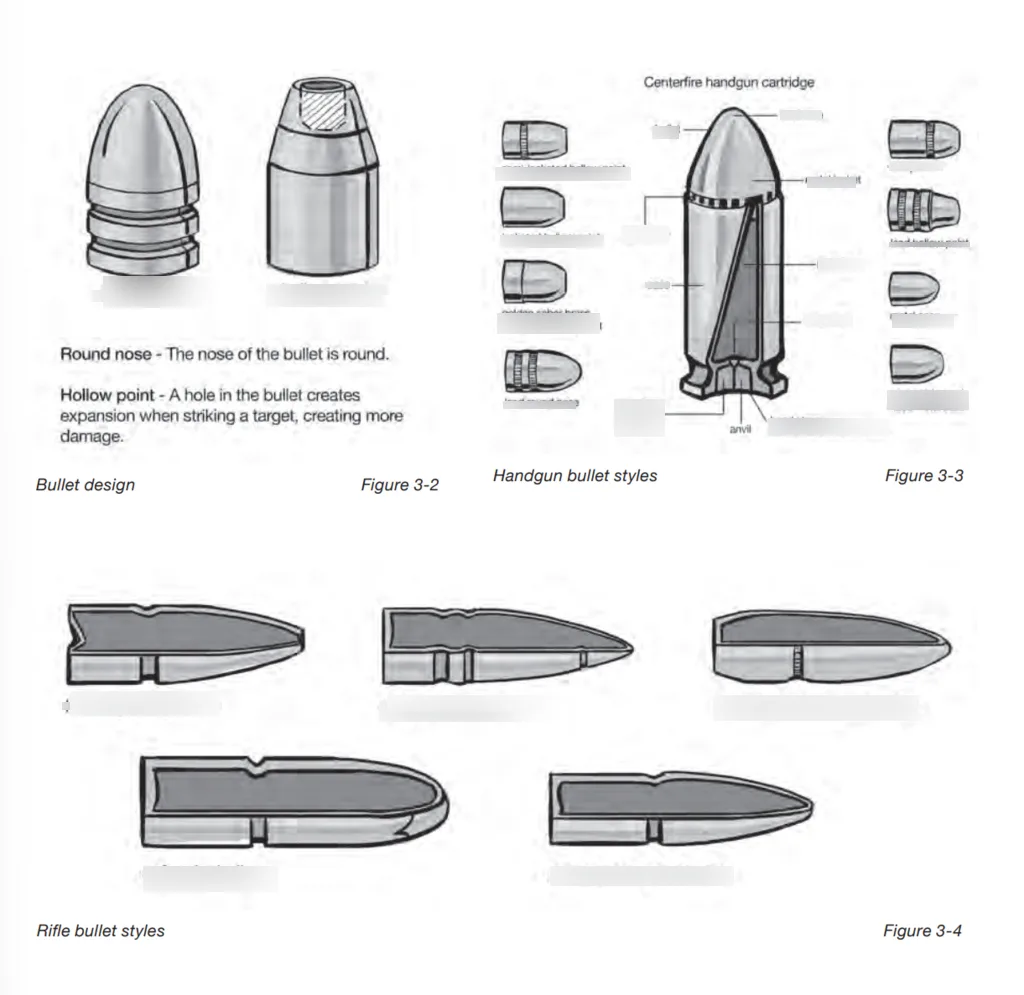
Aerodynamics also plays a crucial role. A bullet's shape and its ability to cut through the air cleanly are vital. While lighter bullets can achieve higher muzzle velocities, they may also be more susceptible to aerodynamic disturbances.
Heavier bullets, especially those with efficient designs, can sometimes overcome air resistance more effectively, maintaining their intended path with less deviation.
Wind Drift and Momentum: Battling the Elements
Wind is one of the biggest enemies of long-range accuracy. A lighter bullet, with less mass and momentum, will be pushed around by the wind more easily than a heavier bullet. This is a fundamental principle of physics: to change the momentum of an object, you need to apply a force over time.
A heavier bullet requires more force or a longer duration of force, like wind acting on it, to alter its trajectory.
Manufacturer specifications, like those found on Federal Premium's website, often provide ballistic tables that show how different bullet weights are affected by crosswinds at various distances. You'll typically see that heavier bullets exhibit less horizontal deviation from wind compared to lighter bullets of the same caliber, assuming they are properly stabilized. This makes heavier options often a preferred choice for outdoor shooting where wind is a factor.
Choosing the Right Bullet Weight: It's About Your Rifle
You can't just pick any bullet weight and expect it to work perfectly. The key is matching the bullet weight to the specific characteristics of your firearm, particularly its barrel. This synergy is what unlocks consistent accuracy.
The Crucial Role of Barrel Twist Rate
The rate at which your barrel's rifling spins the bullet is arguably the most critical factor when selecting bullet weight for accuracy. This is typically expressed as a ratio, like 1:10 inches or 1:7 inches. The first number is always "1," representing one full rotation of the rifling, and the second number is the distance in inches the bullet travels down the barrel to complete that rotation.
A faster twist rate, a smaller second number like 1:7, imparts more spin to the bullet.
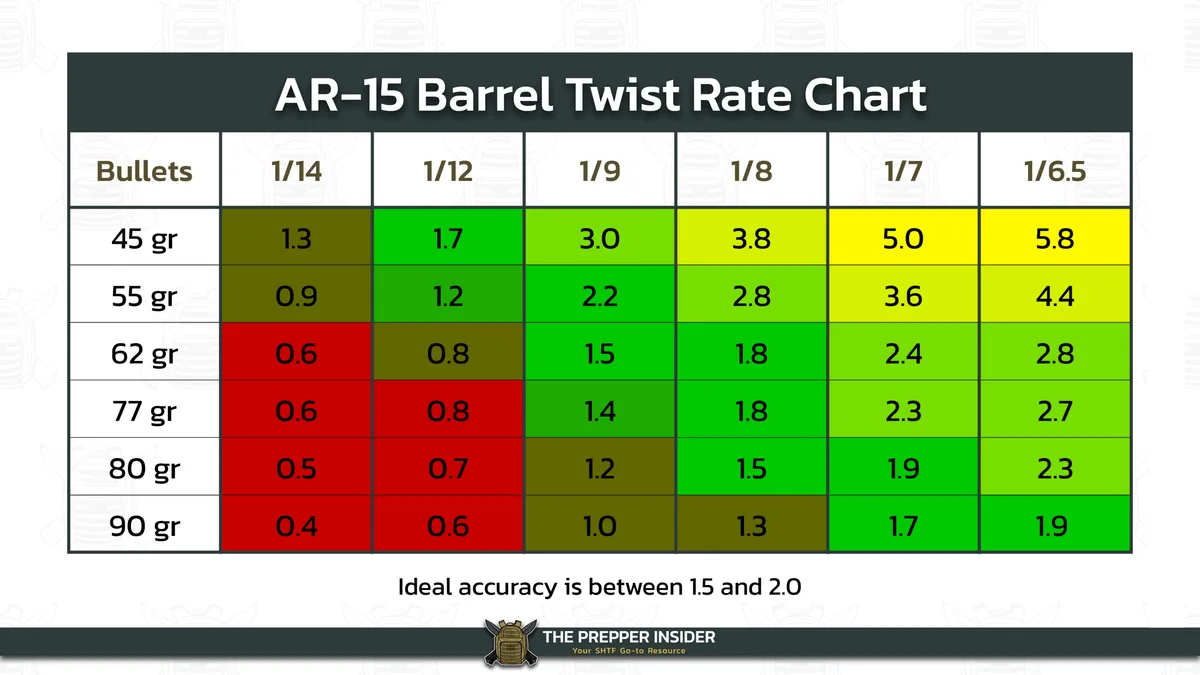
A faster twist rate is generally required to stabilize longer and heavier bullets. If the bullet isn't spinning fast enough to remain stable, it can keyhole, entering the target sideways, or simply fly erratically. Conversely, a slower twist rate is designed for lighter, shorter bullets and can over-spin heavier projectiles, potentially causing instability or even jacket separation at very high velocities.
Understanding your rifle's twist rate, often found in the owner's manual or marked on the barrel itself, is fundamental to accurate bullet selection.
Finding Your Firearm's "Sweet Spot"
Every rifle has a "sweet spot", a range of bullet weights that it shoots most accurately. This isn't just about the twist rate; it also involves the firearm's overall design, the specific ammunition components, and even the quality of the manufacturing. Your firearm’s specific design and the materials used contribute to how well it handles different bullet weights.
For example, a .223 Remington rifle with a 1:9 inch twist might shoot 55-grain bullets very well, but could also potentially stabilize 62-grain or even 77-grain bullets. However, a rifle with a 1:12 inch twist would likely struggle to stabilize anything much heavier than 55 grains. The goal is to find a bullet weight that the rifling can grip and spin sufficiently to keep it perfectly aligned from muzzle to target.
Experimentation is key here.
Comparing Bullet Weights: Lighter vs. Heavier Options
When you start looking at ammunition, you'll see a variety of weights for the same caliber. Deciding between lighter and heavier bullets often comes down to a trade-off between velocity, trajectory, and wind resistance.
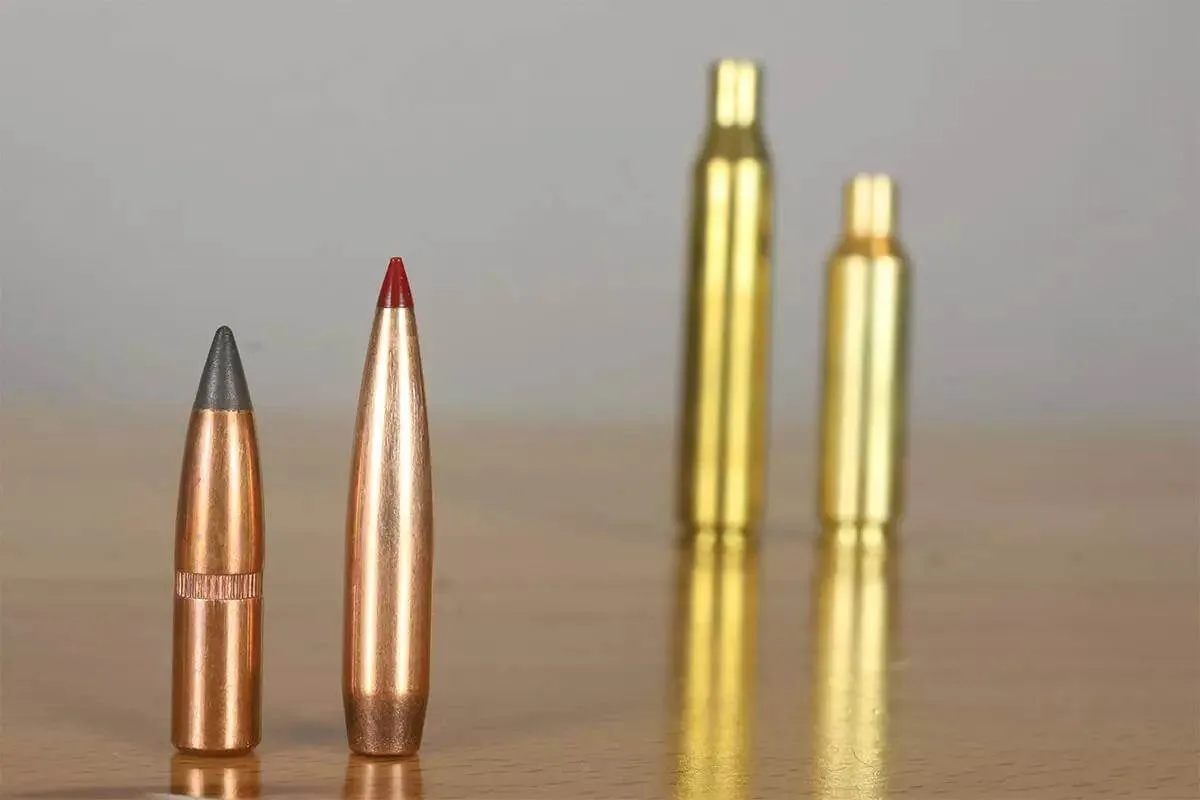
Lighter Bullets: Speed vs. Wind
Lighter bullets generally achieve higher muzzle velocities. This means they leave the barrel faster, resulting in a flatter trajectory over shorter to medium distances. For many shooters, this can translate to less guesswork when aiming, as the bullet drop is less pronounced.
Less felt recoil is another common advantage; a lighter projectile requires less force to propel, making the shooting experience more comfortable, especially during extended range sessions.
However, this increased speed comes with a trade-off. Lighter bullets, with their lower momentum, are more easily influenced by external factors like wind. Even a slight breeze can push a lighter projectile off course more noticeably than a heavier one.
If your rifle isn't perfectly stabilizing a lighter bullet, or if you're shooting in windy conditions, you might see wider shot groups and less predictable impacts on target.
Heavier Bullets: Momentum and Energy
Conversely, heavier bullets typically carry more momentum downrange. This greater momentum means they are less susceptible to wind drift, offering a more stable flight path in breezy conditions. For hunters, this increased momentum also translates to better downrange energy retention, which is critical for effective and humane takedowns.
Heavier bullets can often be stabilized by faster barrel twist rates, which are common in modern firearms.
The downside of heavier bullets is their lower muzzle velocity. This results in a more arced trajectory, meaning you'll need to account for greater bullet drop at longer distances. They can also produce more felt recoil.
While the increased momentum is beneficial for accuracy and energy, the practical application requires a shooter to be more aware of and compensate for the bullet's drop over distance.
Practical Steps: Testing and Optimizing Your Ammo
Figuring out the best bullet weight for your rifle isn't just about reading specs; it's about hands-on testing. This process helps you understand your firearm's unique performance characteristics and unlock its full accuracy potential.
Gathering Your Options
Start by identifying your rifle's barrel twist rate. This information is usually found in the owner's manual or directly on the firearm. Based on this twist rate, you can narrow down the suitable bullet weights.
Ammunition manufacturers, such as Hornady Manufacturing Company, provide detailed ballistic data for their various loads, often indicating which bullet weights are recommended for specific calibers and barrel twist rates.
Purchase small quantities of different bullet weights within the recommended range for your rifle. For instance, if you have a .308 Winchester with a 1:10 inch twist, you might test 150-grain, 165-grain, and 180-grain loads from a reputable brand. This allows you to compare performance without committing to a large, potentially unsuitable, purchase.
Range Day: What to Look For
When you head to the range, the key is controlled testing. Ensure you are using a stable shooting platform, like a bench rest or bipod, to minimize shooter error. Fire several three-shot or five-shot groups with each bullet weight you brought.
Pay close attention to the following:
- Group Size: Measure the diameter of each group. A smaller group indicates tighter shot placement.
- Consistency: Are the groups similar in size and location from one string of fire to the next?
- Bullet Hole Appearance: Examine the bullet holes on your target. Clean, round holes generally suggest a stable bullet. Ragged holes can sometimes indicate a bullet that is tumbling or yawing.
Real-World Accuracy Checks
Beyond paper targets, consider how the chosen bullet weight performs in realistic scenarios for your intended use. If you're a hunter, consider how that bullet weight performs on game (based on terminal ballistics data and ethical considerations) and its ability to penetrate effectively. If you're a competitive shooter, consistency under varying environmental conditions, such as wind, becomes paramount.
Many competitive shooters rely on heavy-for-caliber bullets in smaller calibers for their superior wind resistance. Aggregate shooter feedback and manufacturer ballistics charts as of 2026 consistently show that heavier bullets, when properly stabilized, offer a distinct advantage in windy conditions.
Common Mistakes When Choosing Bullet Weight
It's easy to fall into a few common traps when trying to select the perfect bullet weight for your rifle. Being aware of these pitfalls can save you time, money, and frustration.
One of the most frequent mistakes is ignoring your rifle's specific barrel twist rate. Many shooters assume a certain bullet weight is "standard" for a caliber and buy it without checking if their firearm can actually stabilize it. This leads to poor accuracy, keyholing, and a general sense of confusion about why their rifle isn't performing as expected.
Another common error is focusing solely on velocity. While faster bullets have a flatter trajectory, if they are unstable or easily affected by wind, that speed advantage becomes irrelevant.
A related mistake is not testing enough. Buying a single box of ammo and deciding it's "good enough" without trying other options that are within your rifle's capabilities is a missed opportunity. Shooters might also neglect the impact of wind, choosing a lighter, faster bullet for long-range shooting when a heavier, more wind-resistant option would perform far better.
Finally, assuming all ammunition of the same bullet weight is equal is another oversight. Variations in bullet construction, powder charge, and manufacturing consistency can all affect how a particular load performs.
FAQs About Bullet Weight and Accuracy
What is the most accurate bullet weight for a rifle?
The most accurate bullet weight isn't universal; it's specific to your rifle. It depends heavily on your barrel's twist rate and the intended use.
Can a lighter bullet be more accurate than a heavier one?
Yes, a lighter bullet can be more accurate if your rifle's twist rate is optimized for it and if conditions like wind are minimal. It can offer a flatter trajectory over shorter distances.
What bullet weight should I use for hunting?
For hunting, the choice often balances accuracy with terminal ballistics. Heavier bullets generally retain more energy downrange and provide better penetration, which is crucial for ethical takedowns. Always choose a weight that your rifle shoots accurately.
Does bullet weight affect recoil?
Generally, yes. Heavier bullets tend to produce more felt recoil than lighter bullets of the same caliber because more force is required to accelerate the greater mass.