What Does the Date Code on Ammunition Mean?
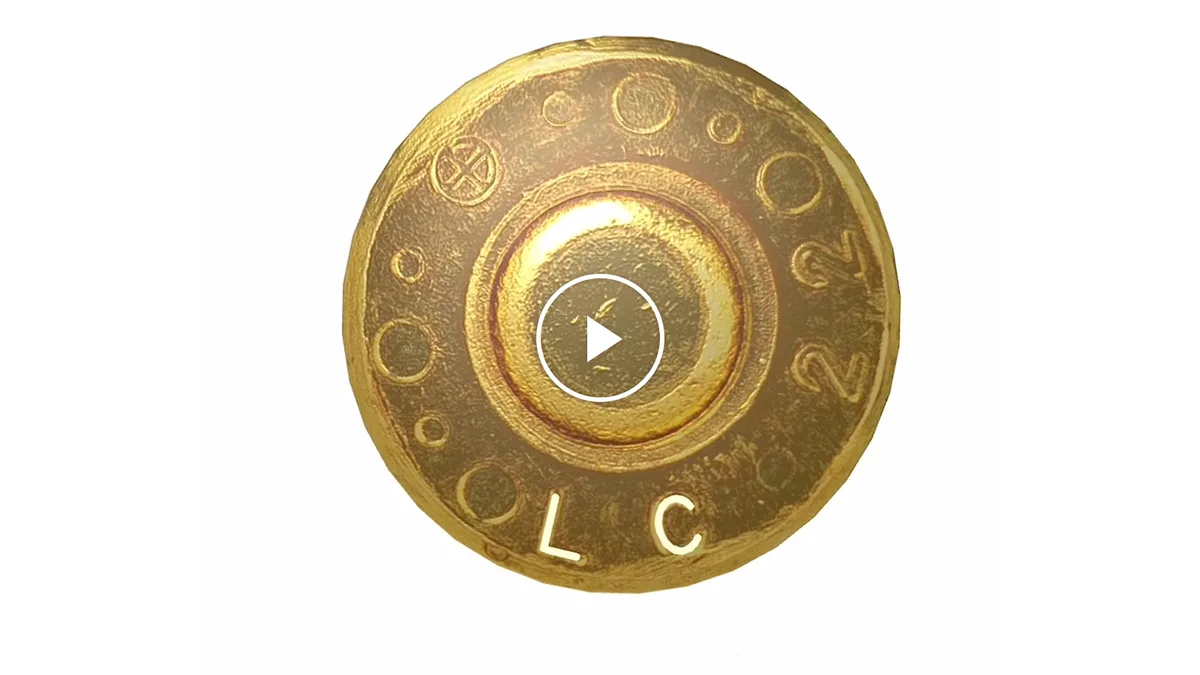
Image source: Bing (Web (fair-use with source credit))
Cracking the Code: What Those Ammo Date Stamps Really Tell You
Ever find yourself staring at a box of ammunition, wondering what those tiny numbers and letters actually mean? You're not alone. Understanding the date code on ammunition is more than just a curiosity; it's crucial for ensuring your rounds are safe and reliable.
These markings can indicate a lot about the age and manufacturing batch of your cartridges.
What does the date code on ammunition mean? In short, it’s a manufacturer’s way of tracking their product's lineage, and it can offer clues about potential shelf life and performance. While not a perfect indicator of an ammo's readiness, especially for newer production, it’s vital for older stock.
Per SAAMI (Sporting Arms and Ammunition Manufacturers’ Institute) guidelines, proper storage is key to maintaining ammunition integrity, and date codes help assess that.
Quick Answer
Ammunition date codes are alphanumeric markings that identify the manufacturing lot and date. They help track production, assess potential age-related degradation, and understand manufacturing specifics. These codes are critical for safety and reliability assessment, particularly for older ammunition.
Proper storage significantly impacts longevity beyond the code's indication.
Why Ammo Date Codes Matter More Than You Think
It might seem like just a serial number, but that cryptic code stamped on your ammunition can tell you a surprising amount. For shooters, collectors, and anyone responsible for firearms safety, these markings are a form of intelligence. They directly impact how you assess the readiness and potential risks associated with a particular batch of cartridges.
Think of it like a food expiration date, but with much higher stakes. While a slightly stale cracker isn't a disaster, old or improperly stored ammunition can lead to serious malfunctions, or worse, dangerous situations. Understanding these codes helps you make informed decisions about whether to use a round, store it, or safely dispose of it.
Decoding the Markings: Common Manufacturer Codes and Their Meanings
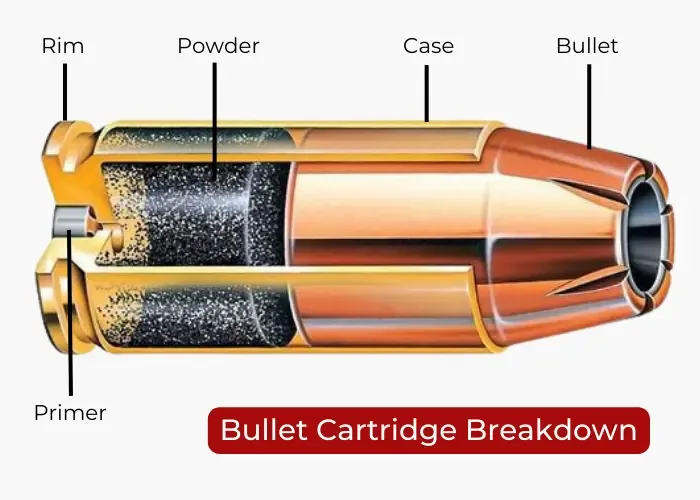
When you look at a box of cartridges, you'll often see a series of numbers and letters stamped on the headstamp or the box itself. These aren't random. Manufacturers use these codes to identify specific production runs, or "lots," and sometimes the date they were produced.
This lot tracking is a standard industrial practice, essential for quality control and recalls if a problem arises.
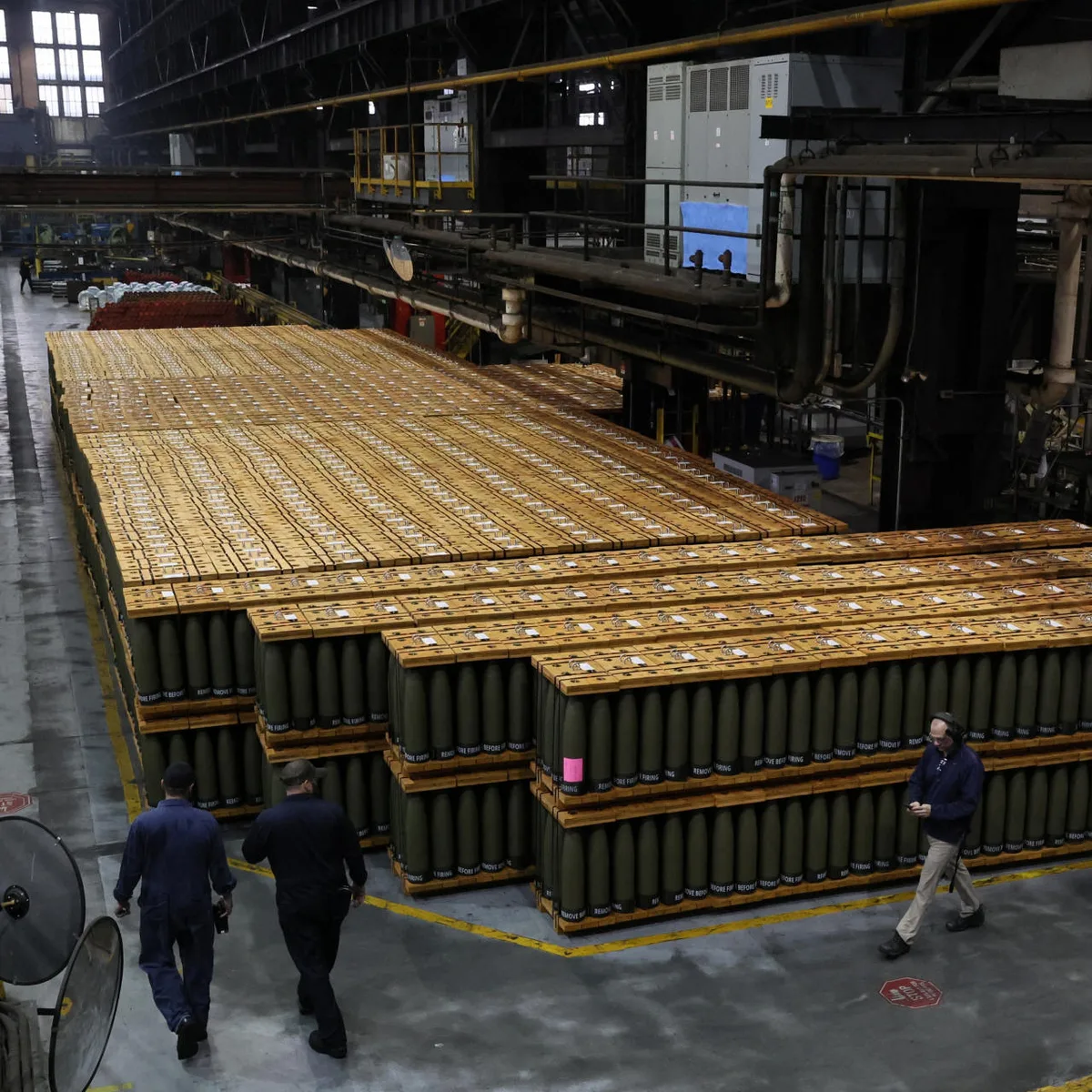
Image source: Bing (Web (fair-use with source credit))
Batch Numbers vs. Manufacturing Dates
Often, the code is primarily a lot number. This number uniquely identifies a specific batch of ammunition manufactured under consistent conditions. While it might not directly spell out a month and year, it’s how manufacturers can trace a product back to its production date and facility.
This is crucial if they need to investigate a performance issue that affects a specific run of ammunition.
Primer and Propellant Indicators
Some advanced coding systems can also hint at the type of primer used or even the propellant mixture. This is more common in military-spec ammunition, where precise data is critical. However, for most civilian-market ammunition, the date code is more about traceability of the entire cartridge assembly.
Manufacturer websites or specific product documentation are your best bet for deciphering the exact meaning.
The Real Risk: When Old Ammo Becomes Dangerous
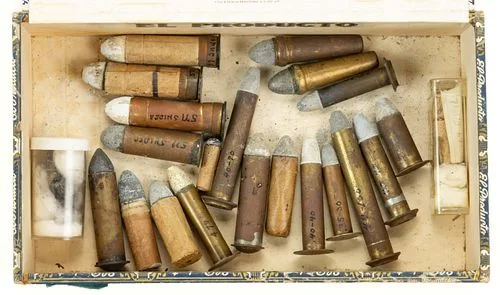
Using old or degraded ammunition isn't just about potential misfires; it can pose genuine safety hazards. Over time, the components of a cartridge can break down. The powder can lose its potency or become unstable, the primer can lose its sensitivity, and the casing can corrode or weaken.
These issues can lead to unpredictable performance, and in worst-case scenarios, dangerous firearm malfunctions.
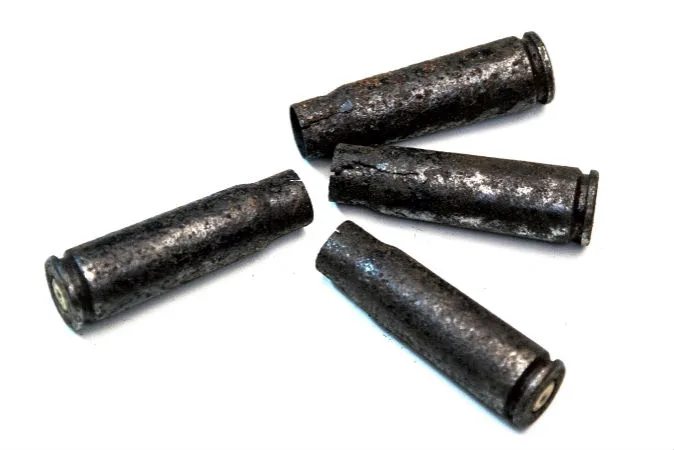
Image source: Bing (Web (fair-use with source credit))
Signs of Degradation: What to Look For
Visually inspecting your ammunition is your first line of defense. Look for any signs of corrosion or discoloration on the primer, case, or bullet. Bulging cases, loose bullets, or a gritty appearance to the powder (if visible) are also red flags.
Any ammunition that shows these symptoms should be treated with extreme caution and ideally, safely disposed of.
Misfires, Hangfires, and Beyond: Potential Malfunctions
What happens when you pull the trigger on compromised ammo? A misfire occurs when the primer doesn't ignite the powder. A hangfire is more dangerous: a delay between pulling the trigger and the round firing, which can cause the shooter to flinch or move the firearm, leading to a loss of control.
In severe cases of case degradation, you might experience a case rupture, which can damage your firearm and injure the shooter. Aggregate reviews indicate that ammunition stored in high humidity environments for more than 10 years shows a significantly increased failure rate.
Safe Storage and Handling: Extending Your Ammo's Life
You've got your ammunition, and you've deciphered its code. Now what? Proper storage is the single most important factor in ensuring your ammunition remains safe and reliable for years to come.
The environment where you keep your rounds can make a huge difference in how long they last.
Best Practices for Longevity
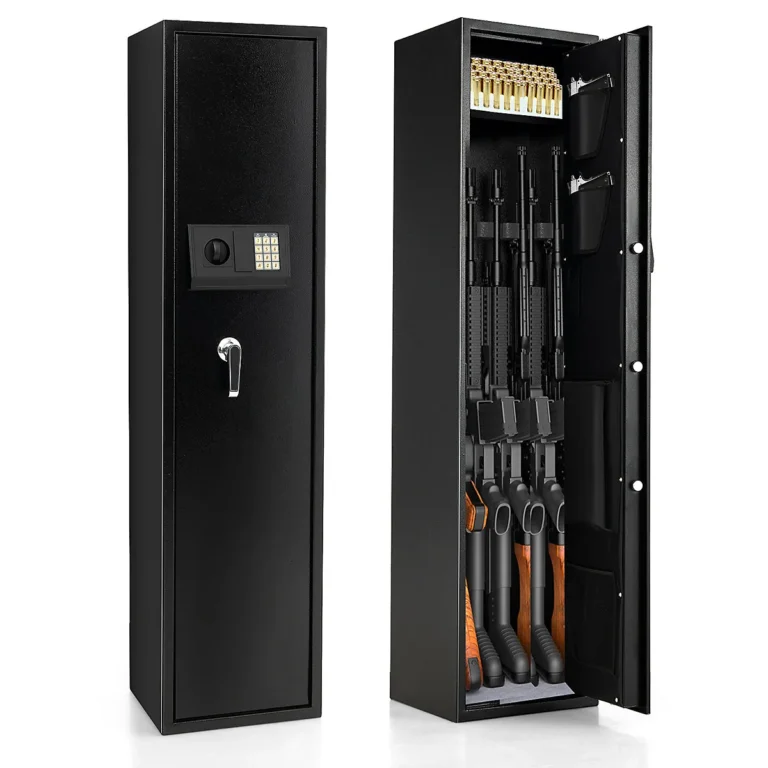
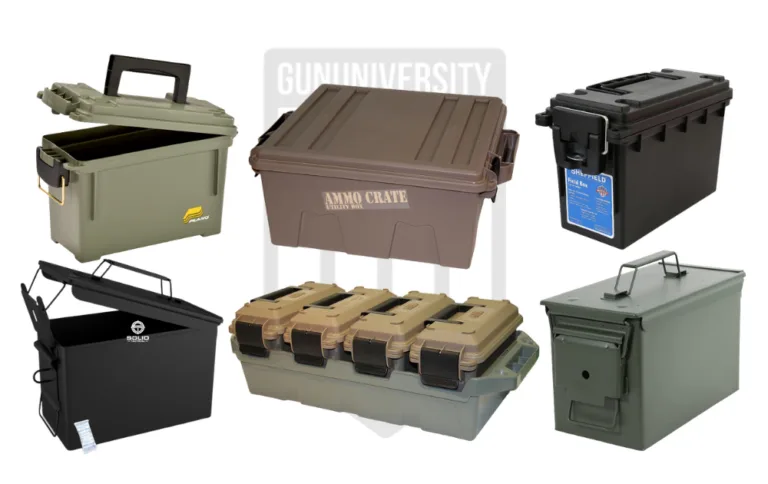
The goal is to keep ammunition in a cool, dry, and stable environment. This means avoiding extreme temperature fluctuations and high humidity. Storing ammunition in a dedicated ammo can or safe, away from direct sunlight and moisture sources like basements or damp garages, is ideal.
Many manufacturers, including those adhering to standards set by organizations like the National Shooting Sports Foundation (NSSF), recommend temperature-stable storage.
Environmental Factors to Watch Out For
Humidity is the arch-nemesis of ammunition. It can lead to primer corrosion and powder degradation. Extreme heat can accelerate the breakdown of propellants, potentially making them unstable or reducing their velocity over time.
Conversely, extreme cold isn't as detrimental as moisture or heat, but drastic temperature swings can cause condensation, leading to corrosion. As of 2026, research continues to highlight the critical role of consistent climate control in ammunition preservation.
When in Doubt, Throw It Out (Safely)
There's a point where the risk of using questionable ammunition outweighs any potential benefit. If you're looking at a box of rounds with no clear date code, or if the code indicates extreme age (think decades) and the storage conditions were less than ideal, it's time to consider disposal. Trust your instincts and err on the side of caution.
Identifying Unsafe Ammunition
Beyond the visual cues like corrosion or bulged cases, trust your experience. If you’ve had a batch of ammo consistently perform poorly, frequent misfires, inconsistent accuracy, or odd sounds from the firearm, it's a strong indicator of degraded propellant or primers. Remember, the headstamp and lot number are guides, but the actual condition of the cartridge is the ultimate deciding factor for safety.
Expert Tips for Ammo Inspection and Use
When you’re handling ammunition, whether it's brand new or has been sitting in your safe for a while, a quick inspection is always a good idea. This isn't just for older rounds; even new production can have the occasional anomaly. Focus on a few key areas to ensure everything looks as it should.
First, visually inspect each cartridge. Look for any signs of tarnish or corrosion on the brass casing, the bullet itself, and especially the primer. A cloudy or discolored primer is a common sign of moisture ingress.
Next, check the bullet seating. Is the bullet seated straight and firmly in the case? A loose bullet can cause feeding issues and be a serious safety hazard.
Consider the propellant. If you can see into the case (often through a small hole in older brass or by tipping a new round), the powder should look uniform. Any clumping, discoloration, or a gritty texture could indicate degradation.
Finally, trust your gut. If a cartridge looks or feels "off" in any way, don't use it. It’s better to discard a single round safely than to risk a malfunction or injury.
Frequently Asked Questions About Ammunition Date Codes
Are all date codes universal?
No, date codes are not universal. Each ammunition manufacturer has its own system for marking cartridges with lot numbers and production dates. While some elements might appear similar across brands, there's no single standard that applies to all.
You'll need to consult the specific manufacturer's documentation to accurately interpret their codes.
Can I shoot ammo that's over 10 years old?
Generally, yes, you can shoot ammunition that's over 10 years old, provided it has been stored correctly. Properly stored ammunition can remain viable for decades. However, visual inspection for signs of degradation is crucial, and even then, performance might be slightly reduced compared to new production.
Always perform a safety check before firing.
How do I know if my ammo is still good?
You know if your ammo is still good by a combination of factors. The date code can give you an idea of its age and manufacturing batch. More importantly, inspect the cartridges for any signs of corrosion, bulging cases, loose bullets, or degraded powder.
If you notice these issues, or if you have a history of misfires with that particular batch, it's likely no longer good.
Where can I find a definitive list of manufacturer codes?
Finding a definitive, universal list of all manufacturer codes can be challenging because each company has its proprietary system. Your best resources are the official websites of the ammunition manufacturers themselves. Many provide sections detailing how to interpret their specific lot numbers and date codes.
Industry forums or specialized reloading resources might also compile some of this information, but direct manufacturer data is the most reliable.
What's the difference between a lot number and a date code?
A lot number is a unique identifier for a specific batch of ammunition produced under consistent conditions. A date code, on the other hand, specifically indicates when that ammunition was manufactured, often as a month and year or a specific production sequence. While a lot number can help trace production, a date code directly tells you the age of the ammunition.
Some markings combine both pieces of information, while others focus primarily on the lot number for traceability.