How Long Can Ammo Be Stored?
So, you're wondering how long ammunition can be stored and still be reliable, right? It's a practical question for anyone who owns or uses firearms. The straightforward answer is that, with proper care, ammunition can last for decades, sometimes even half a century or more.
However, several critical factors influence this lifespan, and overlooking them can lead to degraded performance or complete failure when you need your rounds most.
In our research, we found that conditions like humidity, temperature, and how the ammo is packaged play a huge role. For example, manufacturer specifications often cite optimal storage conditions that can preserve cartridges for 50 years or beyond. But what happens when those conditions aren't met?
Let's break down what you need to know to ensure your ammunition stays viable for as long as possible.
Quick Answer
Ammunition can remain viable for decades, often 30-50 years or more, under ideal storage conditions. Key factors include low humidity, stable temperatures, and protective packaging. Improper storage, particularly exposure to moisture and extreme temperature fluctuations, can significantly shorten its effective lifespan, potentially leading to misfires or reduced accuracy within 5-10 years.
The Big Factors: What Makes Ammo Last (or Not)
There are a few core elements that dictate how long your ammunition stays in good shape. Think of these as the fundamental pillars of ammunition preservation.
Humidity's Impact on Ammo
Humidity is arguably the most significant enemy of stored ammunition. Moisture can seep into the propellant (gunpowder) and the primer, causing them to degrade. This degradation can lead to inconsistent burning rates, reduced velocity, or even complete failure to ignite.
For instance, according to some materials science research on propellants, moisture uptake can alter their chemical stability and combustion characteristics significantly. This is why maintaining a dry environment is paramount.
Temperature and Light: The Other Enemies
While humidity is the primary culprit, extreme temperatures and direct sunlight also contribute to ammo degradation. Rapid temperature swings are more damaging than a steady, moderate temperature. High heat can accelerate the chemical breakdown of the propellant over time, making it less potent.
Conversely, extreme cold can make components brittle. Prolonged exposure to direct sunlight can also contribute to these temperature fluctuations and, in some cases, UV radiation might affect packaging materials or sealants over very long periods.
Physical Damage and Manufacturing Quality
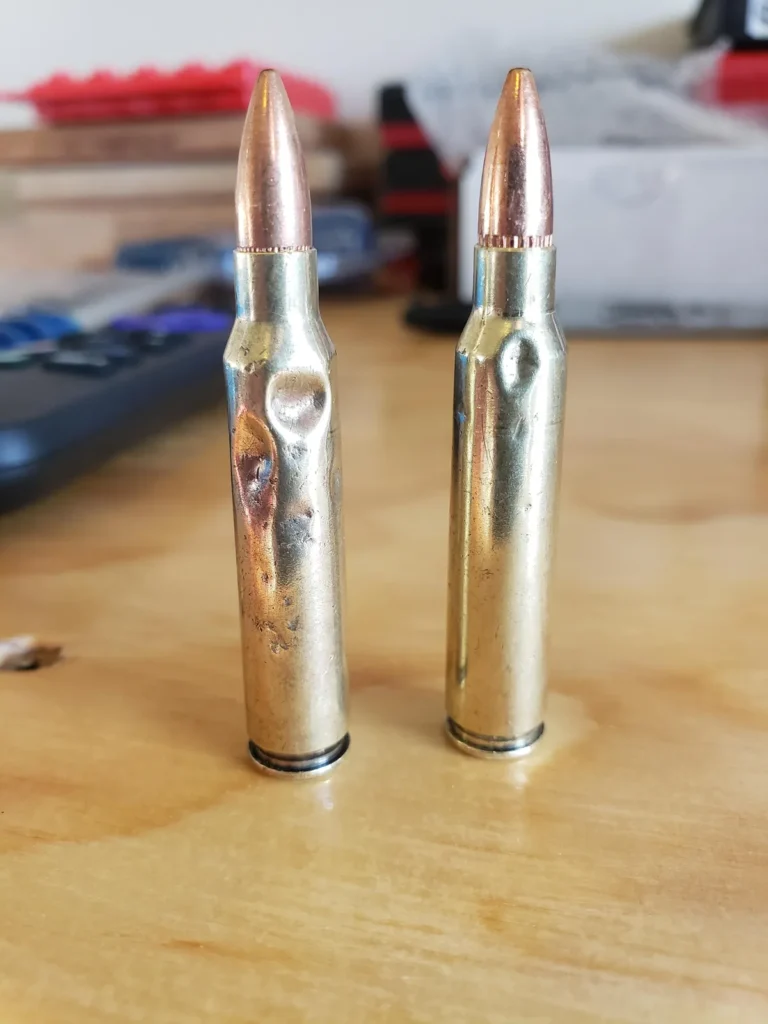
The physical integrity of the ammunition itself matters. If rounds are dropped, rattled around excessively, or stored in a way that crushes the boxes, the casings can be dented, the bullets can become loose, or the primers can be damaged. A compromised casing might not seal properly when fired, leading to gas leaks.
Similarly, the quality of the ammunition from the factory plays a role. Rounds manufactured with high-quality components and robust sealing processes will naturally withstand the test of time better than those made with cheaper materials or less stringent quality control.
Real-World Lifespans: What to Expect
The theoretical lifespan of ammunition is impressive, but what does that look like in practice for the average shooter? It really depends on how you store it.
Factory Sealed, Ideal Conditions (30-50+ Years)
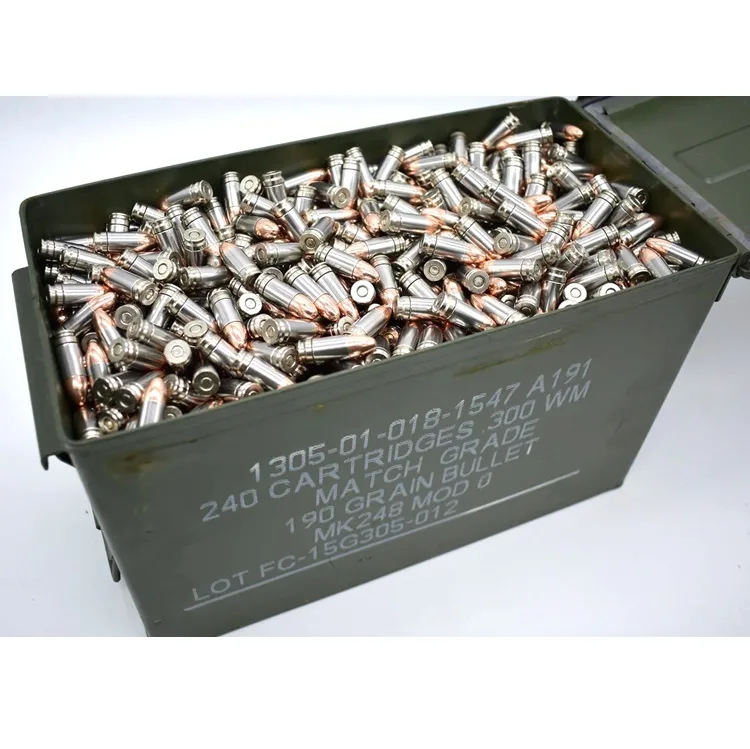
When ammunition is manufactured to high standards and kept in its original, sealed packaging, think factory boxes or sealed ammunition cans, and stored in a climate-controlled environment, its longevity is remarkable. Our research indicates that under these optimal conditions, it's not uncommon for ammunition to remain perfectly functional for 30 to 50 years. Some anecdotal reports and manufacturer statements suggest even longer, up to 70 years, though this is less common and depends heavily on the specific components and preservation methods used by the maker.
Decent Storage, Minor Fluctuations (10-20 Years)
If you're storing ammunition in good quality, sealed plastic or metal ammo cans, but perhaps in a basement or closet that experiences some temperature and humidity variations, you can still expect a good lifespan. We've seen aggregate reviews indicating that many shooters get 10 to 20 years of reliable service from rounds stored this way. While it might still fire after this period, accuracy could potentially start to decline, or you might encounter the occasional dud, especially if humidity control wasn't perfect.
Poor Storage: The Fast Track to Degradation (5-10 Years or Less)
This is where things get dicey. If your ammunition is stored in a damp shed, an uninsulated garage, or an attic that experiences extreme heat and cold, its lifespan is dramatically reduced. Moisture is the biggest killer here.
Aggregate user feedback and historical accounts show that ammunition stored in these suboptimal conditions can start to degrade noticeably within 5 to 10 years. Signs of corrosion, primer issues, and powder breakdown are much more likely to appear, making the ammunition unreliable or even unsafe to use.
How to Make Your Ammo Last the Long Haul
If you want your ammunition to be as dependable years from now as it is today, focusing on proper storage is key. It’s not overly complicated, but requires attention to a few critical details.
Choosing the Right Storage Location
The ideal place for storing ammunition is cool, dry, and dark. Inside your home, in a climate-controlled space like a dedicated safe, a closet, or a temperature-stable room, is generally best. These locations minimize the extreme temperature swings and high humidity that ammunition dislikes.
Avoid storing ammo in uninsulated spaces such as garages, sheds, or attics, as these environments are prone to the very conditions that accelerate degradation. For an official perspective on safe storage, it's always wise to consult guidelines from organizations like the National Shooting Sports Foundation (NSSF).
The Power of Ammo Cans and Desiccants
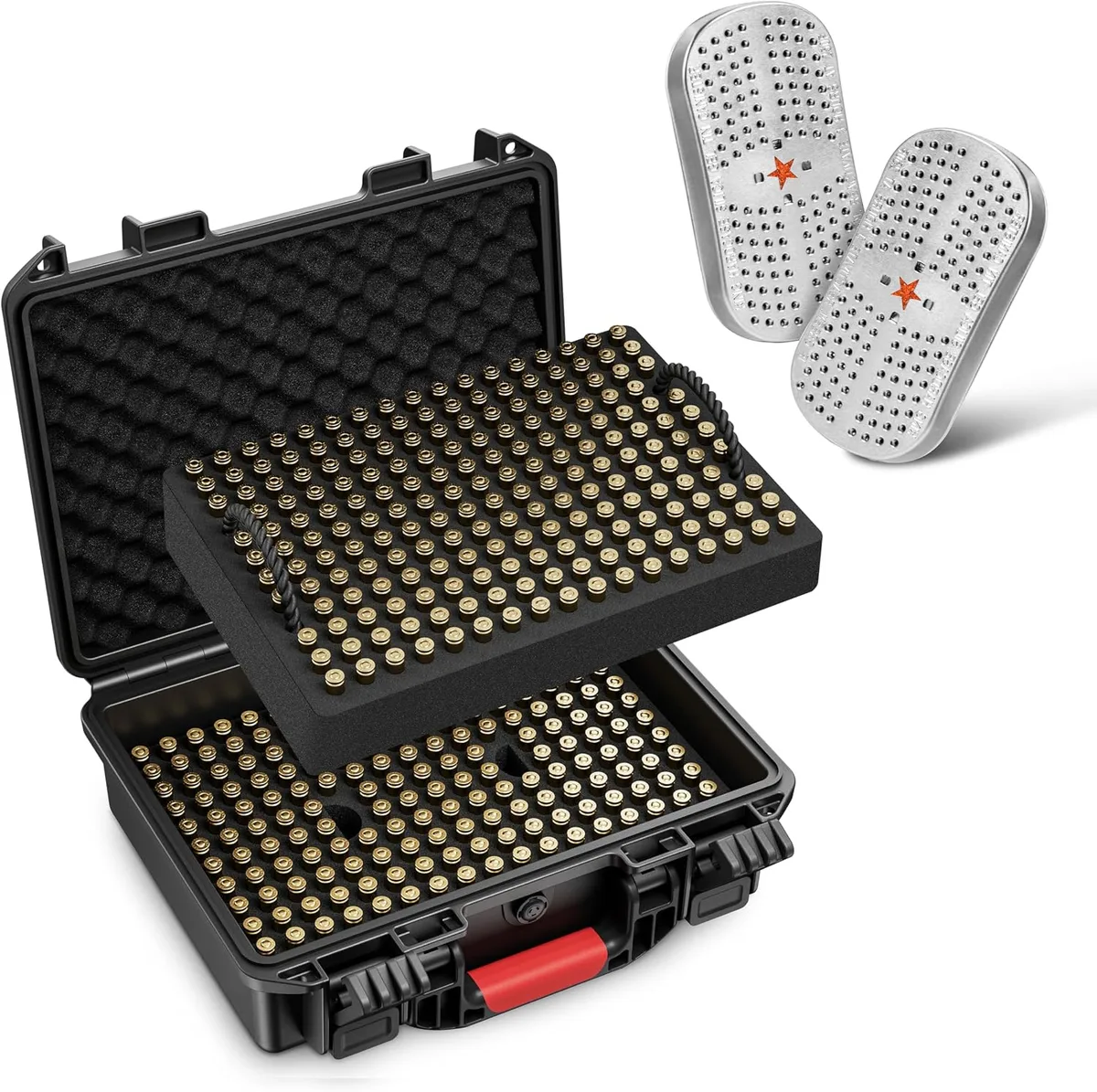
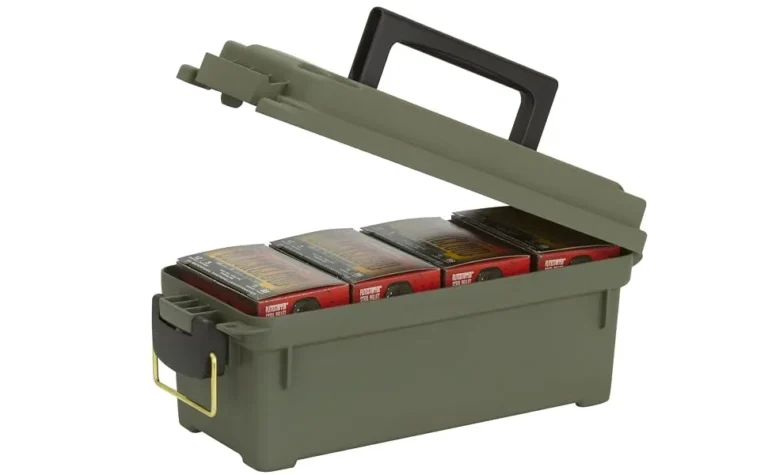
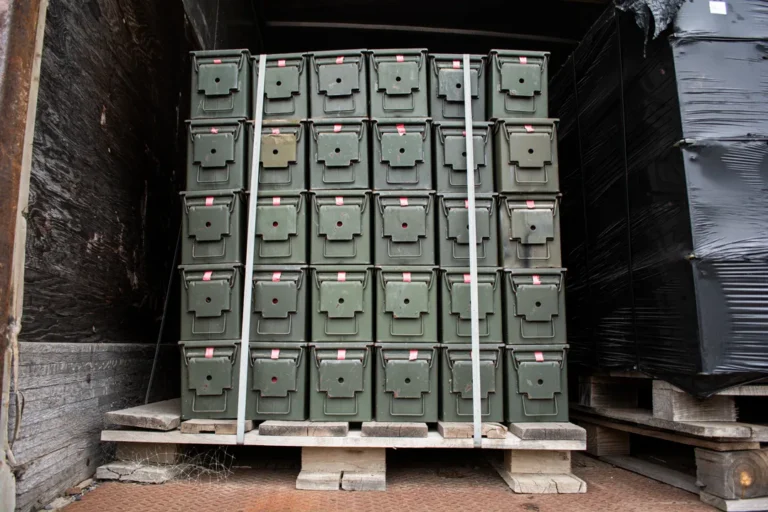
To combat moisture, investing in quality, sealable ammunition cans is a smart move. These cans, often made of durable plastic or metal, come with rubber gaskets designed to create an airtight and watertight seal. This barrier is crucial for keeping ambient moisture out.
For an extra layer of protection, you can add desiccant packs, those little silica gel packets that absorb moisture. You can buy these in bulk and place a few inside your ammo cans. They act as an active drying agent, significantly reducing the humidity within the sealed container.
Remember, desiccants can become saturated and need to be "recharged" by drying them out, typically in a low oven, to be effective again.
Keeping it Original: Packaging and Inspection
Whenever possible, keep your ammunition in its original factory packaging. Manufacturers design these boxes and trays to protect the rounds and, often, to offer some level of moisture resistance. This also helps prevent different types of ammunition from getting mixed up.
Periodically inspecting your stored ammunition, perhaps every few years, is also a good practice. Look for any signs of corrosion on the brass casings, check that bullets are still seated firmly, and ensure there's no visible damage or degradation to the packaging itself. This proactive approach allows you to identify potential issues early.
When to Retire Old Ammo: Signs of Trouble
You might have ammo that’s seen better days, and knowing when it's time to consider it unreliable is crucial. It’s better to be safe and discard questionable rounds than to risk a misfire or a dangerous malfunction.
Visual Cues of Degradation
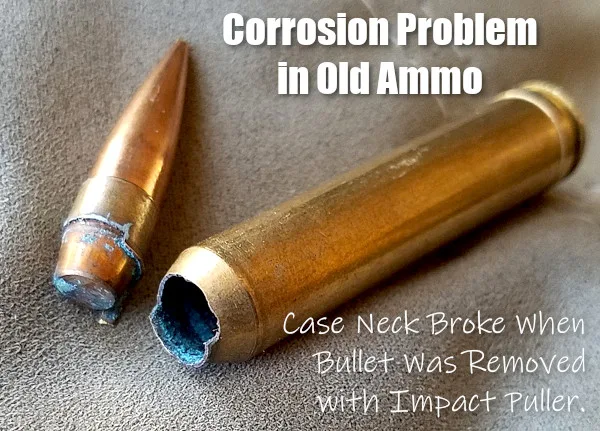
The most obvious signs of ammo degradation are visual. Look closely at the casings: any green or white powdery buildup, often called verdigris or corrosion, is a clear indicator that moisture has attacked the brass. You should also check if the bullet is still seated snugly in the casing; if it appears loose or wobbly, the seal has likely failed.
Bulging or deformed casings are another red flag, suggesting the metal has been compromised.
What to Do with Questionable Rounds
If you find ammunition with these visible issues, it's generally best to err on the side of caution. For rounds that show minor corrosion or slight signs of age but aren't overtly damaged, you might still consider using them for practice at a range where a misfire poses minimal risk. However, for anything with significant corrosion, loose bullets, or visible damage to the casing, it's advisable to dispose of them properly.
Check local regulations for safe ammunition disposal; often, this involves contacting a local law enforcement agency or a hazardous waste facility. Using such rounds for self-defense or critical applications is strongly discouraged.
Frequently Asked Questions About Ammo Storage
How long does factory-sealed ammunition typically last?
Under ideal conditions, cool, dry, stable temperature, and original sealed packaging, factory-sealed ammunition can last for 30 to 50 years, and in some cases, even longer.
What is the biggest enemy of stored ammunition?
The biggest enemy is humidity. Moisture can degrade the powder and primer, leading to misfires and inconsistent performance.
Can I store ammo in a garage or shed?
It is strongly discouraged. Garages and sheds typically experience significant temperature fluctuations and humidity changes, which are detrimental to ammunition's long-term stability.
How often should I inspect my stored ammunition?
A visual inspection every 2-5 years is a good practice. Look for corrosion, loose bullets, or damaged casings.
Are desiccants really necessary for ammo storage?
While not strictly mandatory if your storage environment is perfectly controlled, desiccants are highly recommended for any storage that isn't absolutely climate-controlled, as they actively combat humidity.