What Is the Difference Between FMJ and Hollow Point Ammo?
So, you're wondering, "What is the difference between FMJ and hollow point ammo?" It’s a fair question, and knowing the distinction is pretty important if you own a firearm. Think of it like choosing the right set of tools for a specific job, you wouldn't use a hammer to screw in a bolt.
Both FMJ and hollow point bullets are designed to do different things when they leave the barrel. Understanding their core purpose and how they interact with targets helps you make informed choices for everything from range practice to self-defense. In our research, we found that the key differences boil down to construction and intended performance.
Quick Answer
The primary difference between FMJ and hollow point ammo lies in bullet design and function. FMJ bullets are fully encased, offering better penetration and reliability for practice. Hollow points feature a cavity designed to expand on impact, increasing stopping power and reducing over-penetration, making them ideal for self-defense.
As of 2026, these distinctions remain critical for responsible firearm use.
FMJ vs. Hollow Point Ammo: Why This Choice Matters
Choosing the right ammunition is more than just grabbing the cheapest box at the store; it's about understanding the tool and its intended application. For firearm owners, especially those who use their weapons for more than just casual target shooting, the choice between Full Metal Jacket (FMJ) and Hollow Point (HP) ammunition can have significant implications. It's not about one being universally "better" than the other, but rather about matching the bullet’s design to the specific task at hand.
Manufacturer specifications consistently highlight these design differences, and aggregate reviews report varied performance based on use.
This decision directly impacts factors like firearm reliability, target interaction, and safety considerations. Understanding these nuances helps ensure you're using your firearm effectively and responsibly, whether you're on the shooting range or preparing for personal protection.
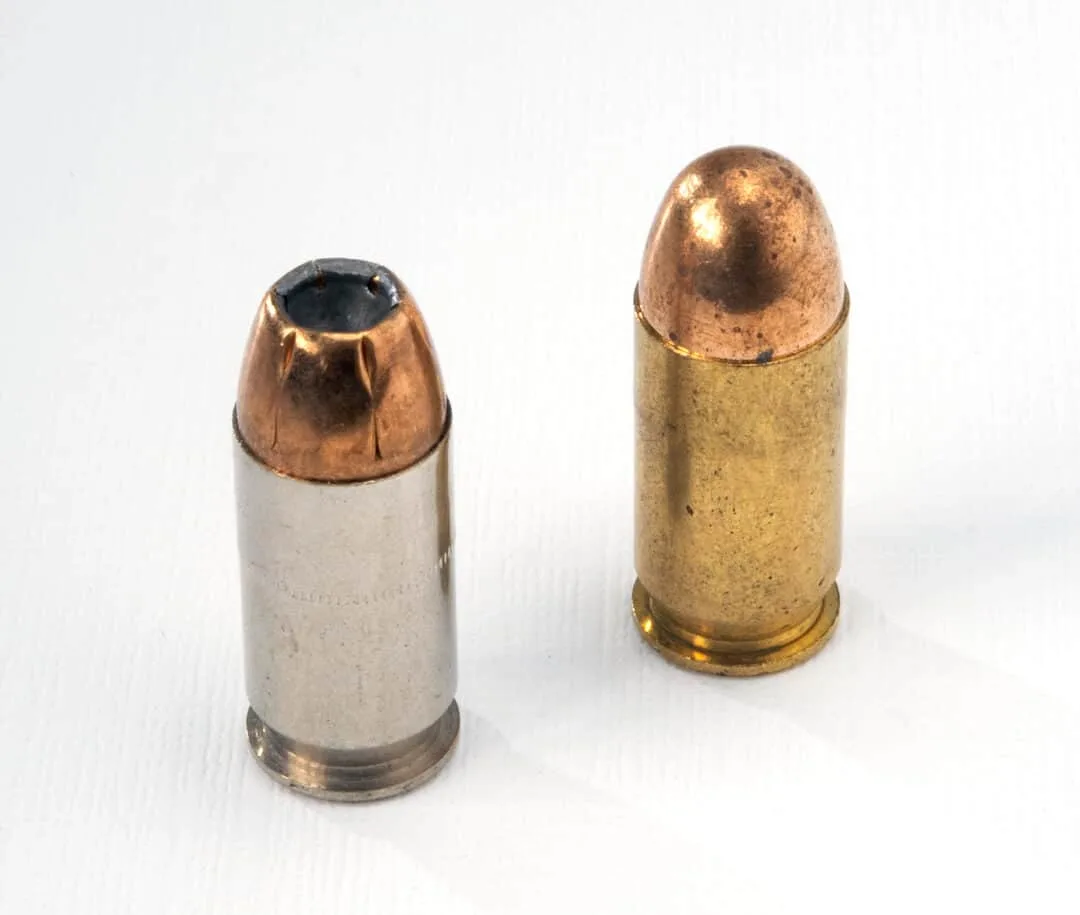
Image source: Bing (Web (fair-use with source credit))
FMJ Explained: Features and How It Works
Full Metal Jacket (FMJ) ammunition is characterized by its bullet construction. The core of the bullet, usually made of lead, is completely enclosed within a hard outer casing, typically a jacket of copper or a copper alloy. This "full metal jacket" design means the entire bullet, except for the base, is covered by this jacket.
This makes the bullet surface smooth and uniform.
The primary functional outcome of this construction is excellent feeding reliability. Because FMJ bullets have a consistent, rounded profile and a smooth surface, they tend to slide effortlessly through the various mechanisms of a semi-automatic firearm. This reduces the chances of jams or feeding failures, which is a crucial factor during practice or competitive shooting.
Additionally, FMJ bullets are generally engineered for deeper penetration rather than expansion.
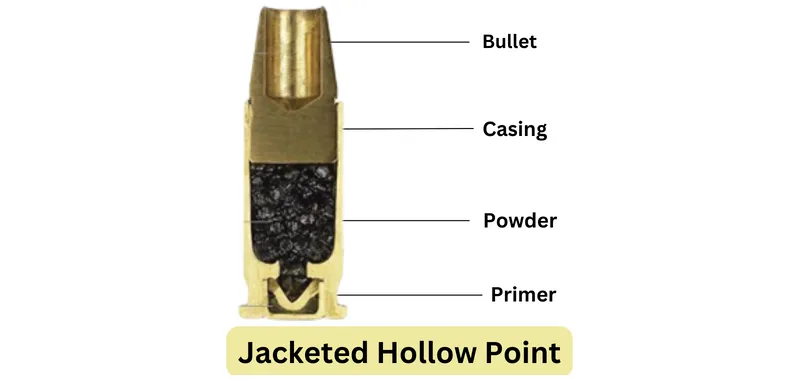
Image source: Bing (Web (fair-use with source credit))
- Core Material: Typically lead.
- Jacket Material: Commonly copper or brass alloys.
- Coverage: Complete encasement of the bullet core.
- Functionality: Designed for reliability and penetration.
Hollow Point (HP) Explained: Features and How It Works
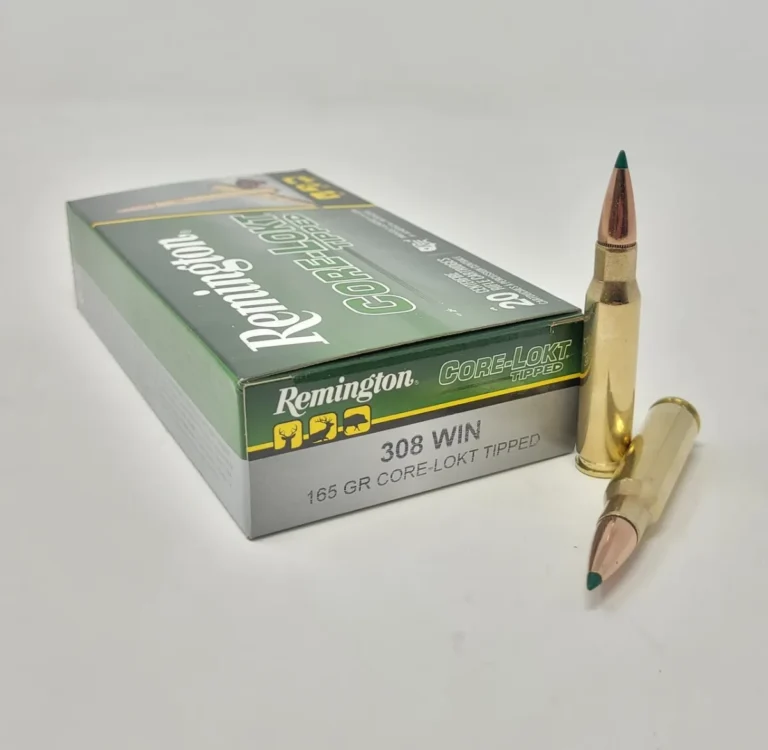
Hollow Point (HP) ammunition is designed with a different primary objective in mind: controlled expansion upon impact. As the name suggests, these bullets feature a cavity or hollow space at the tip. This hollow tip is the key to their distinctive performance.
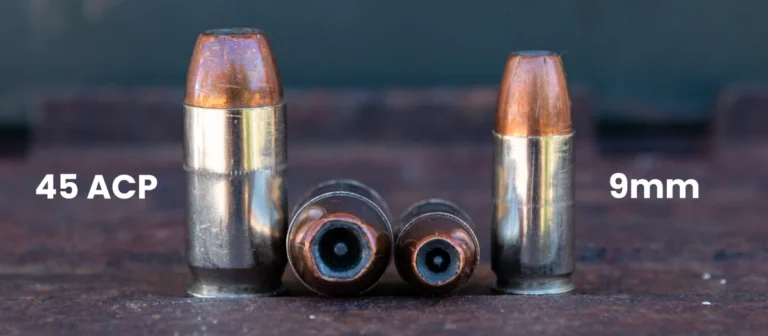
When a hollow point bullet strikes a soft target, the material enters the hollow cavity. This creates pressure that forces the bullet’s outer jacket to expand outwards, mushrooming the tip. This expansion significantly increases the bullet's diameter.
This larger diameter helps to transfer more energy to the target and creates a wider wound channel, which is critical for incapacitation. Per industry standards for defensive ammunition, this expansion is calibrated to occur within specific parameters.
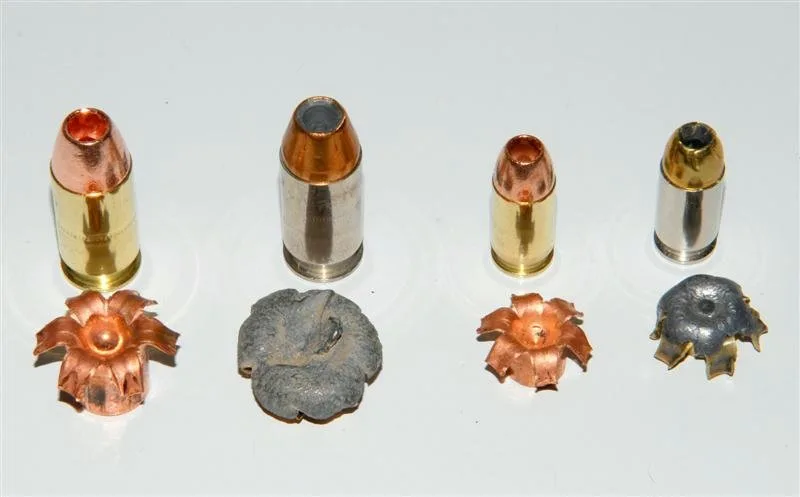
Image source: Bing (Web (fair-use with source credit))
- Tip Design: Features a pre-designed cavity.
- Impact Performance: Designed to expand or mushroom.
- Primary Goal: Maximize energy transfer and incapacitation.
- Secondary Effect: Reduces risk of over-penetration.
Comparing FMJ and Hollow Point: Key Differences
The distinction between FMJ and hollow point ammo boils down to their fundamental design philosophy and intended performance outcomes. FMJ rounds are built for consistency and penetration. Their full metal jacket ensures that the bullet maintains its shape as it travels through the barrel and upon impact, making them reliable for feeding and consistent in their flight path.
This predictable behavior is why they are the standard for target practice.
Hollow point bullets, on the other hand, are engineered for a specific terminal effect. The hollow tip is a deliberate design element intended to cause the bullet to expand rapidly when it encounters soft tissue. This expansion dramatically increases the bullet's surface area, which leads to greater energy transfer and a wider wound channel.
This controlled expansion is also key to minimizing the risk of the bullet passing completely through a target, a crucial safety consideration.
| Feature | Full Metal Jacket (FMJ) | Hollow Point (HP) |
|---|---|---|
| Bullet Tip | Solid, fully encased by jacket | Features a hollow cavity |
| Primary Function | Penetration, reliable feeding, general use | Expansion, increased stopping power, reduced over-pen |
| Performance Goal | Consistent trajectory, deep penetration | Rapid mushrooming, maximum energy dump |
| Use Case Focus | Target practice, training, general shooting | Self-defense, some hunting applications |
| Expansion | Minimal to none | Significant upon impact with soft material |
| Over-penetration | Higher risk | Lower risk due to expansion |
Best For: Use Cases for FMJ and Hollow Point Ammo
When it comes to choosing between FMJ and hollow point ammunition, the best choice hinges entirely on your intended use. For the vast majority of shooting activities, such as practicing at the range, participating in competitive shooting sports, or general recreational plinking, FMJ ammunition is the go-to. Its reliability in feeding, reduced barrel fouling compared to some HP designs, and lower cost per round make it exceptionally practical for high-volume shooting.
Manufacturer specifications for FMJ rounds often emphasize durability and consistent performance for these applications.
Hollow point ammunition, conversely, is primarily recommended for self-defense scenarios. The design’s ability to expand upon impact maximizes the transfer of kinetic energy to the target, leading to more effective incapacitation. Furthermore, the controlled expansion significantly reduces the likelihood of over-penetration, meaning the bullet is less likely to pass through a target and potentially harm bystanders or damage property behind it.
This safety feature is a critical consideration in defensive situations, and per industry standards, HP designs are optimized to achieve this.
FMJ: Ideal For:
- Target Practice: Consistent performance, economical for high-volume shooting.
- Training Drills: Reliable feeding in semi-automatic firearms.
- Plinking: General recreational shooting.
Hollow Point: Ideal For:
- Self-Defense: Maximizes stopping power, minimizes over-penetration.
- Law Enforcement: Duty ammunition often features HP designs for these reasons.
- Hunting: Effective for humane takedowns of certain game (check local regulations).